State-of-the-Art Diagnostics
Using technologies such as Corneal Topography, Specular Microscopy, OCT, Biometry, and a dedicated Specialty Contact Lens Clinic, we assess corneal shape, cell health, retinal layers, tear stability, and refractive parameters in detail. This ensures that even subtle abnormalities are identified before they begin affecting vision.


How Advanced Diagnostics Help Identify Eye Conditions
Modern eye diseases often develop silently, with subtle changes that cannot be detected through routine examination alone. With advanced imaging, mapping, and precision measurement systems, we gain detailed insights into the health of every eye layer.
- Unexplained Blurred or Distorted Vision: Vision that fluctuates throughout the day or becomes unclear despite wearing glasses may indicate corneal irregularities or early keratoconus.
- Frequent Headaches or Eye Strain: Difficulty focusing, especially after screen work, can point to refractive changes that require detailed biometry or topography.
- Recurrent Redness or Irritation: Persistent surface inflammation may require corneal imaging or tear-film assessment to detect hidden abnormalities.
- Difficulty Adapting to Light: Increased sensitivity or delayed adjustment can signal early retinal or optic-nerve changes visible on OCT scans.
- Poor Quality Night Vision: Halos, glare, or poor contrast sensitivity may reflect subtle corneal defects or early cataract changes detectable through specialized imaging.
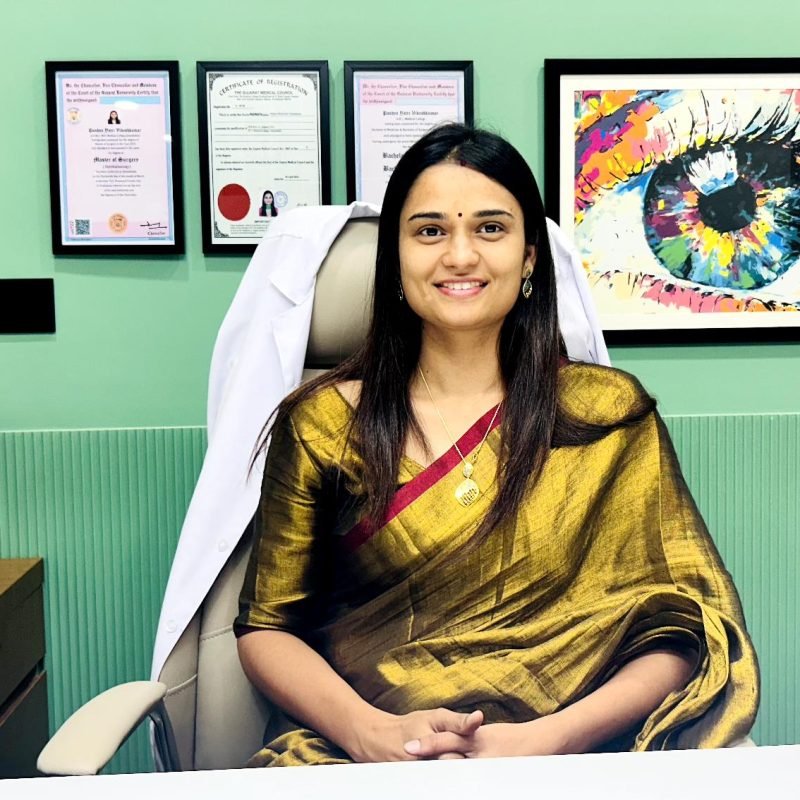
Dr. Yatri Pandya Bhavsar
MS Ophthalmology, FCORS
Professional Experience
Dr. Nagpal’s Retina Foundation (Shahibaug)
- Cornea Consultant (Morning) — 10:00 am to 2:00 pm
Shivyaa Superspecialty Hospital (Gota)
- Cornea Consultant (Evening) — 02:30 pm to 06:30 pm
Dr. Nagpal’s Centre for Cornea, Navrangpura, Ahmedabad
- Ex - Associate Cornea Consultant
GMERS Medical College & Sola Civil Hospital, Ahmedabad
- Ex - Senior Resident
Different Types of Advanced Eye Diagnostics
Corneal Topography
Specular Microscopy
Optical Coherence Tomography (OCT)

Biometry
Specialty Contact Lens Diagnostics
Why Advanced Diagnostics Are Needed
Early Detection of Hidden Eye Diseases
Many conditions like keratoconus, glaucoma, or macular disorders begin silently. Advanced imaging tools detect structural changes long before symptoms become noticeable, ensuring timely and effective treatment.
Unexplained Vision Changes
When patients experience fluctuating, blurred, or distorted vision that does not match standard eye-test findings, specialized diagnostics such as Topography, OCT, or Biometry help identify the underlying cause.
Pre-Surgical Assessment Requirements
Procedures like cataract surgery, LASIK, SMILE, or ICL require precise measurements. Advanced diagnostics provide the accuracy needed to customize surgery and ensure the best visual outcomes.
Monitoring Disease Progression
Conditions such as keratoconus, glaucoma, and diabetic retinopathy require detailed, repeatable scans. Imaging tools help track changes over time, allowing specialists to adjust treatment promptly.
Evaluating Corneal Health
Specular Microscopy and Topography reveal endothelial cell health, corneal shape, and thickness—critical for diagnosing dystrophies, edema, or planning corneal transplants.
Identifying Tear Film & Ocular Surface Issues
Advanced tests assess tear quality, gland function, and surface stability. This helps diagnose dry eye and meibomian gland dysfunction with far greater accuracy than routine examination alone.
Diagnosis & Technology at Shivyaa Hospital
Our Diagnostic Process
Accurate eye care begins with precise evaluation. At Shivyaa Superspeciality Hospital, every patient undergoes a structured, comfort-focused diagnostic pathway using our most advanced imaging systems.
- Comprehensive History & Symptom Assessment: We review symptoms, medical history, lifestyle factors, and vision changes to understand potential eye conditions requiring advanced diagnostic evaluation.
- Complete Clinical Examination: Our specialists examine the cornea, retina, optic nerve, and ocular surface using magnification to detect subtle abnormalities missed in routine tests.
- Advanced Imaging & Measurement: Targeted tests like Topography, OCT, Specular Microscopy, and Biometry provide precise measurements essential for accurate diagnosis and personalized treatment planning.
Our Targeted Treatment Philosophy
Each test provides unique insights, and together they create a complete understanding of your eye health—allowing for precise treatment planning and long-term monitoring.
- Corneal Topography: Generates detailed corneal maps to detect shape irregularities, early keratoconus, and post-surgical changes for accurate vision correction decisions.
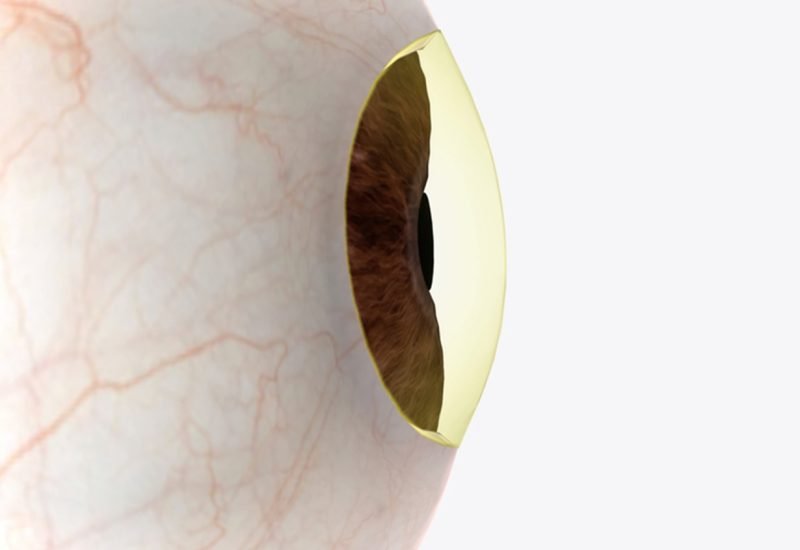
- Specular Microscopy: Evaluates endothelial cell count and structure, helping diagnose corneal diseases and ensuring safe planning for cataract or transplant surgeries.
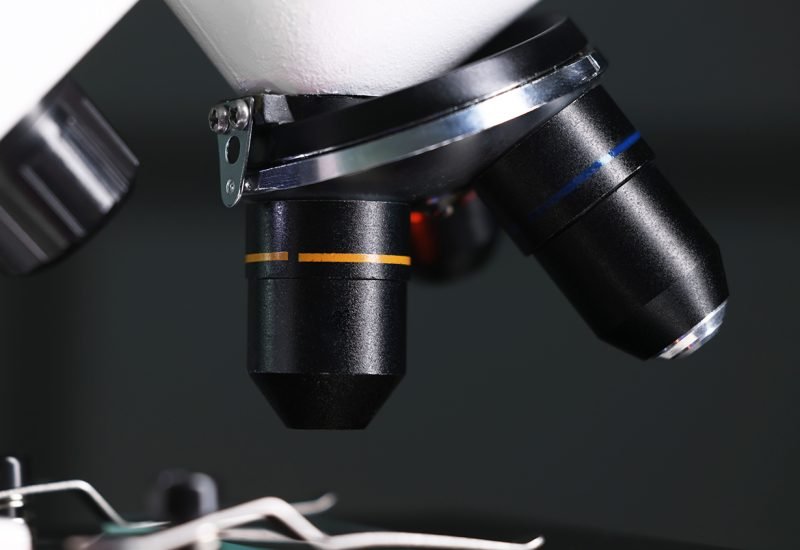
- Optical Coherence Tomography (OCT): Provides high-resolution retinal and optic nerve scans, detecting glaucoma, macular conditions, and early degenerative changes before symptoms appear.
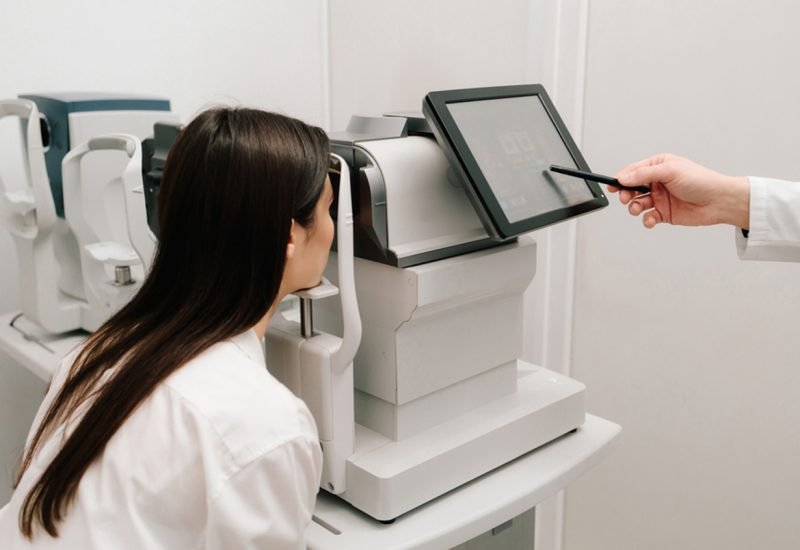
- Biometry: Offers precise eye measurements for intraocular lens calculations, ensuring best visual outcomes for cataract and refractive surgeries.
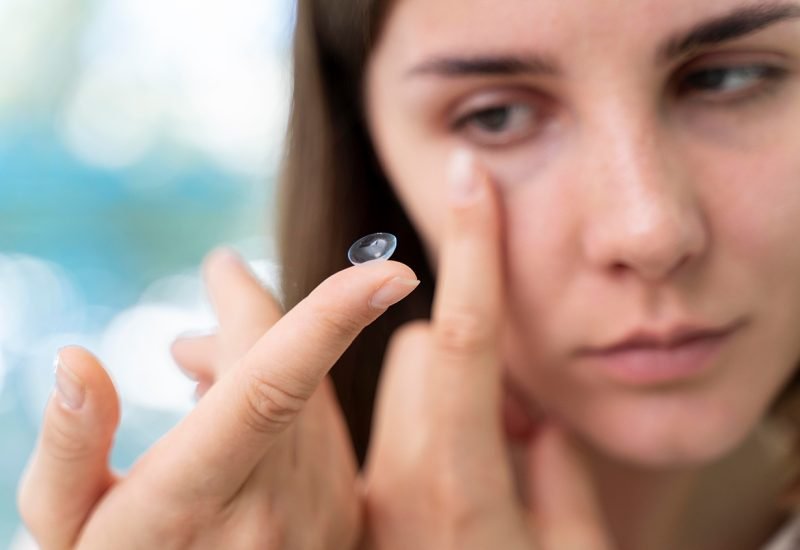
- Specialty Contact Lens Evaluation: Assesses corneal irregularities to design customized lenses for keratoconus, post-transplant surfaces, or advanced dry eye cases.
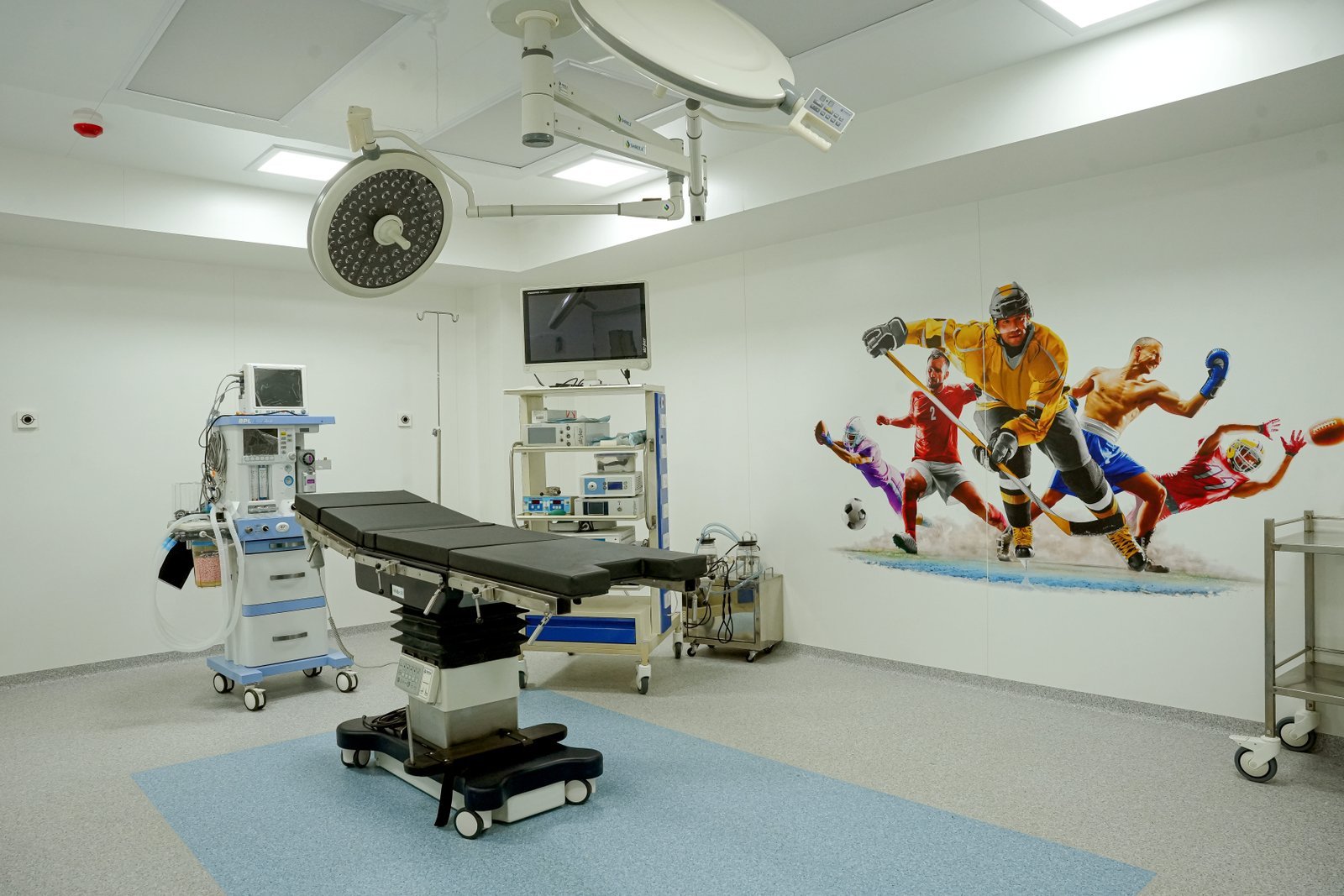
- Surgical Planning Tools: Advanced measurements guide cataract, refractive, corneal, and glaucoma surgeries, improving precision, safety, and long-term visual outcomes.
When to Seek Medical Attention for Eye Problems
01
Severe Pain
02
Vision Loss
03
Redness & Swelling
04
Eye Trauma
Flashes & Floaters
Why Choose Shivyaa Hospital for Expert Care?
Advanced Diagnostic Technologies
Personalized Treatment Plans

24/7 Emergency Services