
Knee pains are chronic and may restrict movement and impede life. This issue occurs in many individuals due to arthritis, trauma, or chronic damage to the joint. Doctors can advise Total Knee Replacement Surgery when medicines and therapy no longer aid.
In Shivyaa Hospital, our orthopedic department is concerned with safety, new methods, and systematic rehabilitation. We provide direction to patients since the initial visit up to the recovery after surgery with clear medical planning and guidance.
This is a blog that describes the anticipations prior to, during, and after knee replacement surgery. Take our step-by-step guide, be very confident, and learn how the treatment will be able to make you move better and live better.
What Is a Knee Replacement?
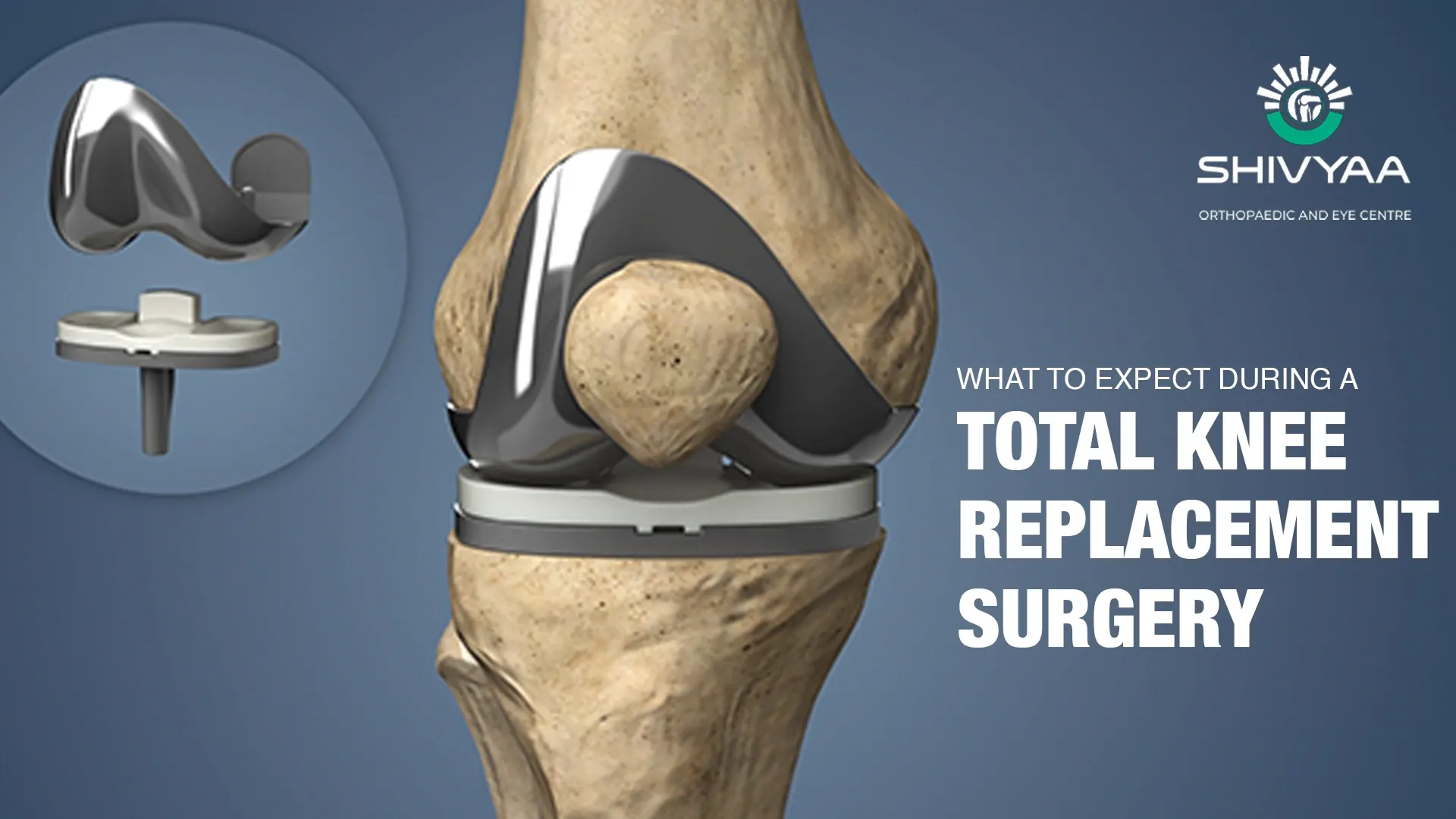
The knee replacement provides the damaged knee with its functionality. The surgeon excises the deteriorated surfaces and substitutes the areas using artificial components referred to as implants. These implants are designed using medical-grade metal and plastic, and their shape and movement resembles natural knee. These ease the pain and enhance walking power.
The majority of patients require knee replacement surgery due to destruction of the joint as a result of arthritis. In due time, arthritis destroys the cartilage of cushioning the knee. This causes stiffness, swelling, and difficulty in performing daily activities like climbing stairs or standing at long intervals.
Depending on the condition of the joint, the surgeon may replace:
- Partial Knee Replacement (PKR): only the damaged portion.
- Total Knee Replacement (TKR): the surface of the joint.
The orthopedic doctor determines the type of surgery to perform through scans, pain, and the extent to which the joint has been damaged.
Signs You May Need a Knee Replacement
Common Symptoms That Signal Advanced Joint Damage
You might require a medical assessment in case of:
- Knee pain, even when the person is not working.
- Sterness that does not allow bending or straightening of the knee.
- Swelling that fails to diminish as a result of treatment.
- Problems with walking, climbing the stairs, or standing a long time.
- Inability to perform regular activities.
Such symptoms are common signs that the surface of the joints has been eroded and is no longer sliding well.
Conditions That Commonly Lead to Surgery
Arthritis is the most common condition that prompts knee replacement; it is a gradual damage that is created in cartilage and joint surfaces. In other instances, doctors can also prescribe surgery following:
- Serious knee fractures
- Tearing of ligaments resulting in instability of joints.
- Arthritis after an accident.
Although uncommon, joint injury may result in permanent joint damages resulting in pain and stiffness like in arthritis.
Before Surgery: How to Prepare
Proper preparation improves safety and supports smoother recovery before and after knee replacement surgery. Your medical staff will do all the steps with you so that you are prepared to undergo the procedure.
Medical Evaluation and Tests
Your orthopedic surgeon will examine your knee and health. This usually includes:
- X‑rays to assess joint damage
- Blood tests to determine fitness to have surgery.
- ECG, when necessary, to assess the health of the heart.
The checks assist the group in planning surgery safely.
Medication Review
Provide a complete list of medicines and supplements to your physician. Certain drugs, more so those that are used to control blood clotting and anti-inflammatory drugs, may require stopping or, when used to lower the risk of bleeding, they may require alteration before the surgery.
Fasting Before Surgery
The majority of patients are required to fast from midnight before their surgery, and not to consume food or fluids. This reduces the chances of developing complications during anesthesia.
Home Preparation for Recovery
Planning your home before discharge facilitates post-discharge movement. Helpful steps include:
- Sleeping space organization on a single floor.
- Having everyday things in easy reach.
- Walking aids are recommended.
- Attaching raised toilet seats or handrails (where necessary).
During Surgery: What Happens in the Operating Room
Being informed about what to expect during surgery makes patients feel more relaxed and ready.
Anesthesia for Comfort and Safety
Depending on your health, the anesthesiologist will choose either the general or the spinal anesthesia to ensure that you remain comfortable and stable through the procedure.
Surgical Access to the Knee
The surgeon creates an opening in the knee. In the appropriate situations, less invasive techniques permit smaller incisions and less tissue disruption.
Replacing the Damaged Joint
The surgeon excises degenerated cartilage and bone, and also inserts artificial components of the joint to regain smooth movement. The use of advanced technologies like muscle-sparing methods and kinematic positioning assists in better positioning and long-term functionalities.
Patella Assessment
In case the kneecap indicates damage, the surgeon can resurface or replace it in a manner that will make bending it smooth and stable.
Closing the Surgical Area
Stitches or staples are used to close the incision, and a sterile dressing is used to cover the wound.
Role of Robotic Assistance
Knee replacement with robotic assistance is capable of positioning implants accurately. It also tends to make smaller incisions, superior joint placement, and quicker patient recovery in the chosen patients.
Benefits and Risks of Knee Replacement Surgery
When other treatments are also ineffective, knee replacement is likely to improve the joint functioning and relieve pain. The majority of patients report consistent mobility and comfort improvement of their knee during the healing process.
Potential Benefits
Patients often experience:
- Reduced knee pain in the long-term.
- Better walking and stepping up the stairs.
- Better joint stability
- Increased capability of executing daily tasks.
- Recommendation: go back to hobbies and light physical activities following the recovery.
Surgery enhances the quality of life and regains normalcy in normal activities for many.
Possible Risks and Complications
Knee replacement is a safe surgery, although any type of surgery poses some sort of risk. The cases of complications are not many, yet physicians pay close attention to patients throughout the process of recovery.
Possible risks include:
- Formation of blood clots
- Hemorrhage or damage to blood vessels.
- Surgical site or intra-joint infection.
- Numbness or temporary numbness in the nerves.
- Forced loss or premature dislocation of the implant.
- Stiffness or lack of movement in the knee.
- The accumulation of scar tissue within the joint.
Conclusion
Recovery and long-term outcome largely depend on the choice of a competent surgeon and a good hospital. Shivyaa Super Specialty Hospital offers all possible services related to knee care, such as proper diagnosis and surgery, and high-quality rehabilitation.
Under the care of Dr. Parth Bhavsar, patients are exposed to the current knee-replacement methods, which help to alleviate pain, promote joint position, and allow swift movement following the surgery.
The modern operating rooms, individual care plans, and available aftercare services all help Shivyaa Hospital to make its patients feel secure during treatment. The team is concerned with restoring the comfort, movement, and livelihood of the severely arthritic or those who have suffered injuries to their joints.
If knee pain limits your daily activities, consult the specialists at Shivyaa Hospital and take the next step toward stronger, pain-free movement.