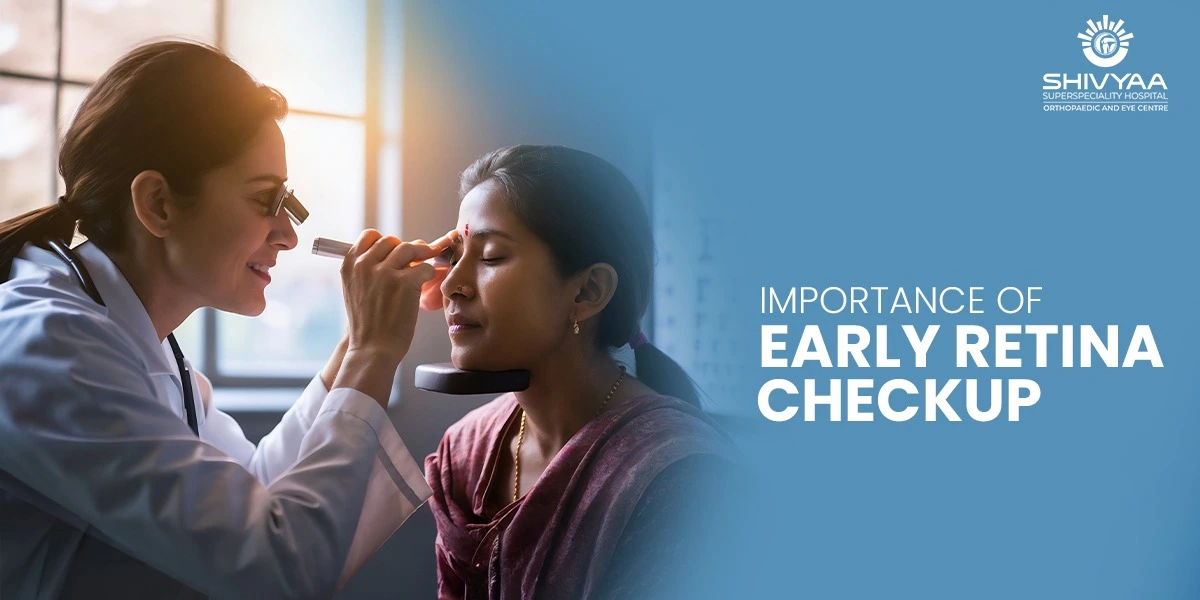
Let’s think of your retina like the film in a camera. When it’s damaged, the image becomes blurry or black and white. The tricky part? Retina problems don’t shout; they whisper. By the time you have floaters or flashes, it could be too late. So a retina check as early as possible is your best protection from losing your sight.
You need someone who listens and acts fast. For expert care, look for the best retina specialist at Shivyaa Superspeciality Hospital in Ahmedabad, Dr. Yatri Pandya Bhavsar. She focuses on stopping issues like diabetic retinopathy or retinal tears before they steal your sight.
Don’t wait for the warning signs. Look after your eyes today so you can see clearly tomorrow.
What is Retina?
Think of the retina as the back of your TV screen. All the images you see are projected onto this thin layer of nerves. While the retina is healthy, it can send accurate signals to your brain, and you can use your eyes. But if you damage the nerves with disease, injury, or abuse, the information gets scrambled. You see things out of focus, warped, or in black and white.
Here is the good news. The good news is that most retinal diseases can be treated if caught early. That’s why we recommend regular eye examinations, particularly for diabetics. We do not wait for symptoms. We nip trouble in the bud before it takes your vision.
Common Symptoms of Retina Problems
Retinal conditions come in many forms, but they often present with similar warning signs. Your eyes may start acting differently. You might notice changes in your vision that feel unusual or concerning.
Watch for these common symptoms of retina problems:
- Blurry vision or patches of vision that go missing
- Sudden floaters drifting across your field of sight
- Flashes of light that appear out of nowhere
- Trouble seeing clearly at night
- Difficulty adjusting when the lights change
- Colors looking faded or different than before
- Peripheral vision shrinking or central vision turning hazy
- Sudden vision loss
Here is what catches many people off guard. Early retinal damage sometimes shows no obvious symptoms at all. If the issue develops near the macula, you may notice more subtle effects. Straight lines may start looking wavy. Images may distort or appear and disappear. Your vision simply feels off, even if you cannot pinpoint why.
Who should check the retina?
A regular retina checkup matters even if you have never worn glasses a day in your life. You may have enjoyed perfect twenty-twenty vision for decades, but once you cross 50, your eyes change. The reason is simple. Just like your body slows down with age, your eyes begin to show wear too.
In your 40s: Schedule routine eye exams at least once every year.
In your 50s and beyond: Risks for retinal disorders and glaucoma climb higher. Move to eye exams once every six months.
Do not wait for symptoms to appear. Prioritize regular eye screening if any of these apply to you:
- You wear contact lenses or glasses
- You live with a chronic condition like diabetes that raises your risk for eye disease
- You have a family history of eye disease
A dilated examination gives your doctor a clear view of your retina. It takes only a few minutes but can save your sight for a lifetime.
When Should You Get a Retina Checkup?
Your eyes rarely send false alarms. When something feels off, your retina is likely trying to tell you something important. Do not brush aside these signs. Get them checked right away.
Vision disruptions
Floaters drifting across your sight or sudden flashes of light are not just annoying. They can point to serious issues like retinal holes or a retina starting to detach. Seek immediate attention when these appear.
Difficulty focusing
You look at an object but cannot seem to lock onto it clearly. Focus comes and goes, or everything stays stubbornly blurry. This is your signal to schedule an eye exam. Trouble focusing often links to conditions that can quietly affect your vision quality.
Diabetes or high blood pressure
If you have diabetes or high blood pressure, your retina is at risk. Diabetic retinopathy (eye disease caused by diabetes) is one of the leading causes of blindness, but if detected early, it can be treated. Keep out in front.
Night blindness
You used to see fine after sunset, but now driving at night feels difficult. Familiar rooms look dimmer than before. These changes do not hurt, but they can signal underlying retinal problems that need attention.
Blurry vision
When sharpness disappears, and objects turn hazy, take it seriously. Blurry vision has many causes, some simple, some serious. A retina checkup helps you know which one you are dealing with.
Why a Retina Checkup is Worth it
Retina checkups are about more than your eyes. It provides a glimpse into your health. Retinal imaging gives us the ability to detect eye diseases early, monitor them as they progress, and keep you in charge of your vision. Here’s how it helps.
Early Detection Saves Sight
Retinal imaging detects eye diseases before they affect your vision. This is critical for many eye diseases, including diabetic retinopathy, glaucoma, and age-related macular degeneration. These sight stealers often damage your vision before they show any symptoms. Early detection makes all the difference.
But it’s good for your whole body. The retina can be the first place signs of general disease appear. Disease markers from high blood pressure, diabetes, and even some cancers appear on your retina first. A retinal exam can bring these diseases to your attention, allowing you to catch them early.
Tracking Changes Over Time
Your first retina image creates a baseline. Think of it as a map of your healthy eye. Year after year, your doctor compares new images to the original map. This allows us to spot the smallest shifts and monitor disease progression with precision. We do not guess whether your condition is stable or worsening. We see it clearly.
Personalized Care Just for You
Your eyes are unique. Your ophthalmologist uses high-resolution retinal images to develop a treatment that works for you. We do not have a “one-size-fits-all” approach. We make each decision based on your retina, and we get the best results possible.
Conclusion
Your eyes work tirelessly for you every day. They deserve care that matches their importance.
At Shivyaa Superspeciality Hospital in Ahmedabad, we combine over a decade of excellence with genuine compassion. Dr. Yatri Pandya Bhavsar leads our advanced eye care treatment from routine retina checkups to specialized retina laser treatment. We use state-of-the-art technology while keeping care accessible and affordable.
Do not wait for warning signs. Whether you have diabetes, high blood pressure, or simply want peace of mind, a retina checkup today can protect your vision for a lifetime.
Visit us. Let us help you see clearly for years to come.