What Is Cataract Surgery?

Who Typically Needs Cataract Surgery?
The cloudy lens starts to interfere with daily routine and the general comfort of the visual process, and this makes cataract surgery necessary. Surgery may be suggested to you in case you observe any of the following:
- Daily Activity Difficulty: Vision is blurred, which is distracting to read, drive, or perform normal tasks.
- Glare & Light Sensitivity: Bright lights cause discomfort, glare, and reduced night visibility.
- Frequent Prescription Changes: Glasses stop helping despite repeated power adjustments and updates.
- Dull or Faded Colors: The colors become dull with loss of sharpness, contrast decreases, and vision becomes dimmer.
- Retinal Evaluation Needed: Cataract removal allows clearer assessment of underlying retinal disease.
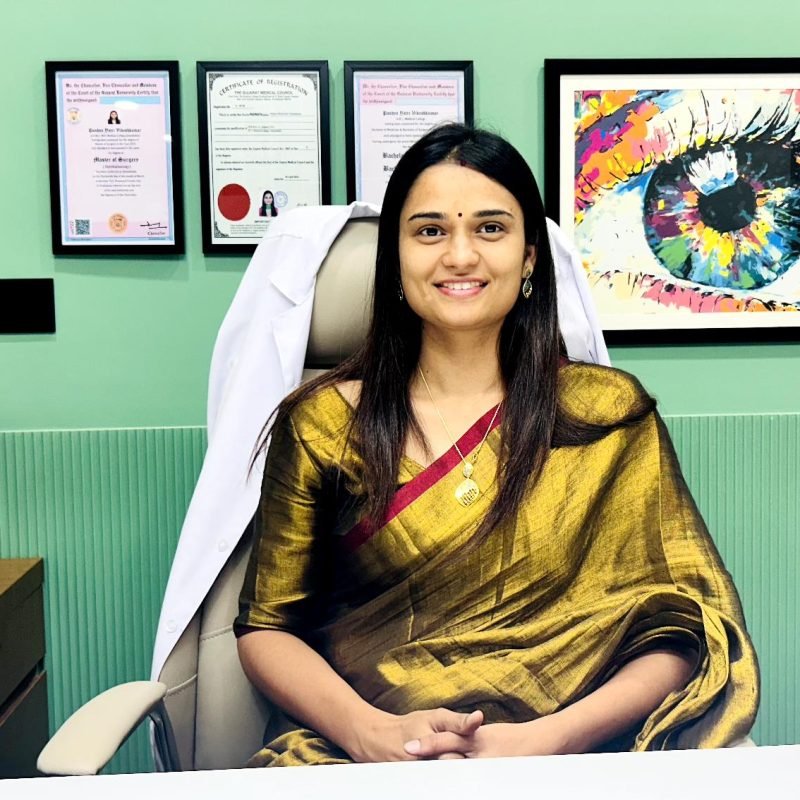
Dr. Yatri Pandya Bhavsar
MS Ophthalmology, FCORS
Professional Experience
Dr. Nagpal’s Retina Foundation (Shahibaug)
- Cornea Consultant (Morning) — 10:00 am to 2:00 pm
Shivyaa Superspecialty Hospital (Gota)
- Cornea Consultant (Evening) — 02:30 pm to 06:30 pm
Dr. Nagpal’s Centre for Cornea, Navrangpura, Ahmedabad
- Ex - Associate Cornea Consultant
GMERS Medical College & Sola Civil Hospital, Ahmedabad
- Ex - Senior Resident
Different Types of Cataract Surgery
Phacoemulsification Cataract Surgery
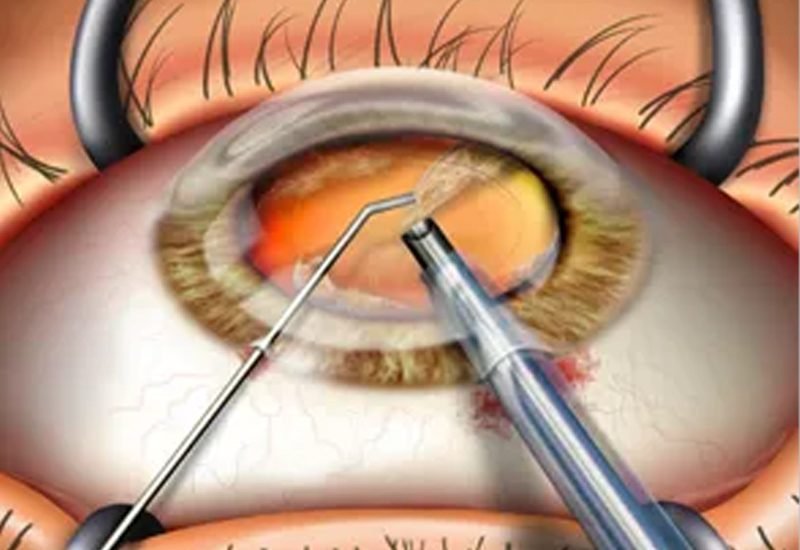
Extracapsular Cataract Extraction (ECCE)
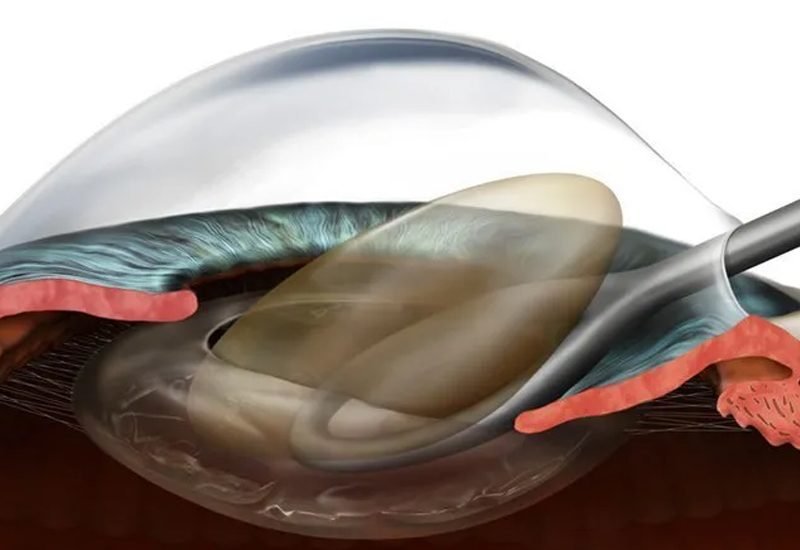
Small Incision Cataract Surgery (SICS)
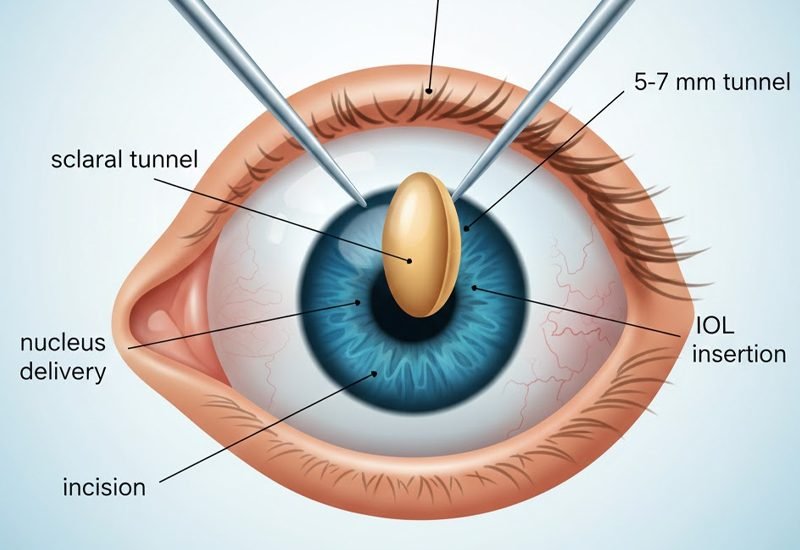
Intracapsular Cataract Extraction (ICCE)
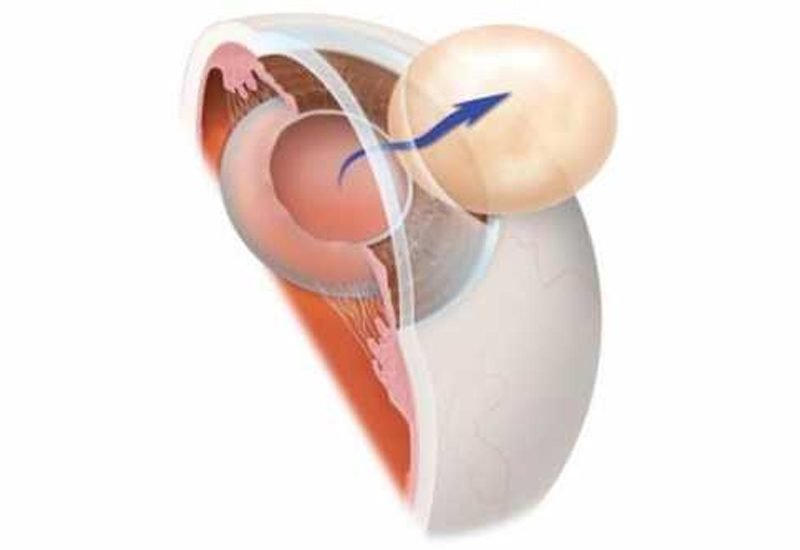
Femtosecond Laser-Assisted Cataract Surgery (FLACS)
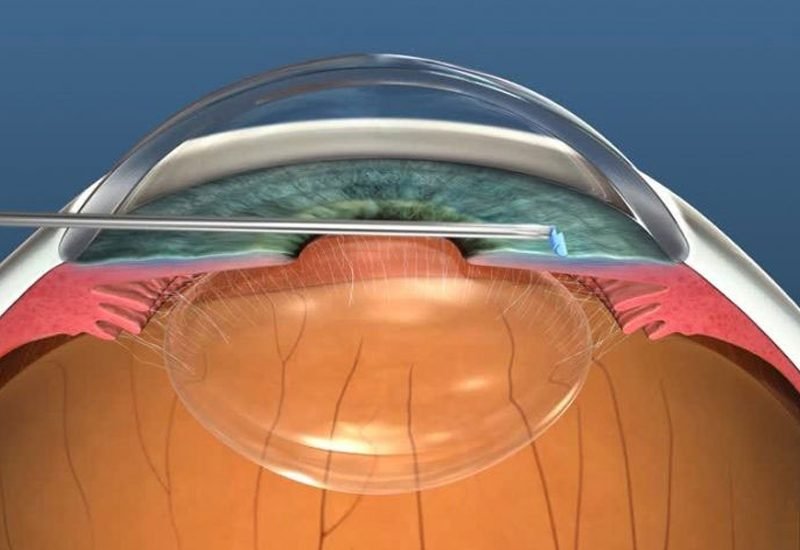
Benefits of Cataract Surgery
Sharper Visual Clarity
The cloudy lens is replaced with the clarity of an IOL, which gives the patient sharp focus that could not be achieved before using glasses or eye drops.
Reduced Glare & Halos
With post-surgery glare sensitivity is much less, and bright headlights, sunlight and digital screens are now less intolerable.
Improved Color Perception
When the yellowed natural lens is taken off and a clear artificial lens is fitted, colors are seen as brighter and more precise.
Better Low-Light Vision
Tasks such as driving at night, reading menus, or driving in dark places are considerably easier.
Less Dependence on Glasses
Premium IOLs can correct astigmatism or presbyopia, which means that they do not require the use of spectacles in everyday life.
Your Cataract Surgery Journey: What to Expect at Shivyaa Hospital
What Happens During Surgery
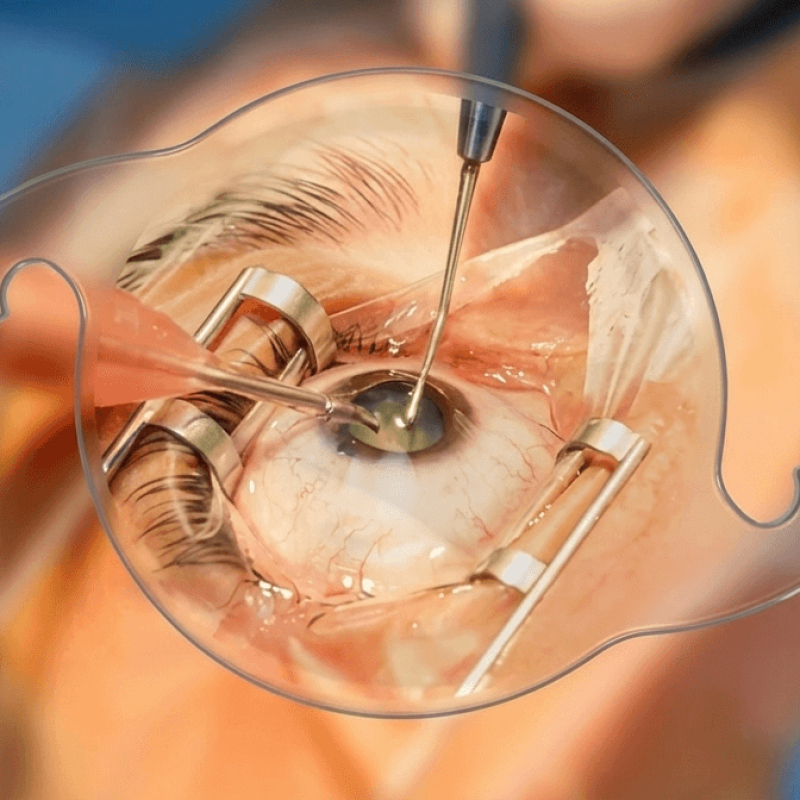
Cataract surgery is a simple procedure that involves the removal of the hazy natural lens and replacing it with an artificial one, making you awake but comfortable during the surgery.
- Numbing & Preparation: Your eye is cleaned, numbing drops are applied, and a mild relaxing medicine keeps you comfortable throughout the procedure.
- Lens Removal: With a small opening, perfect tools cut the cloudy lens into pieces and scrape it off painlessly.
- IOL Placement: The artificial intraocular lens is a crystalline structure that is placed in the eye to permanently replace the natural eye lens, restoring clear vision.
- Post-Procedure Observation: You rest briefly in recovery while our team checks eye pressure, comfort levels, and early healing responses before discharge.
Post-Surgery Care & Recovery
The process of recovery commences on the same day and goes on for a couple of weeks. Our goal is to help your eye heal smoothly and prevent complications.
- Protective Care Instructions: Medicated eye drops, shields, or protective glasses support healing, reduce inflammation, and prevent early infection after cataract surgery.
- Activity Precautions: Avoid touching your eye, bending, heavy lifting, or dusty environments to prevent strain and protect the healing incision.
- Expected Sensations: Mild irritation, watering, or light sensitivity may appear initially but gradually settle as the eye begins healing naturally.
- Warning Signs: Seek urgent care for severe pain, sudden vision changes, increasing redness, new floaters, or flashes of light.
When to Seek Medical Attention for Eye Problems
01
Severe Pain
02
Vision Loss
03
Redness & Swelling
04
Eye Trauma
Flashes & Floaters
Why Choose Shivyaa Hospital for Expert Care?
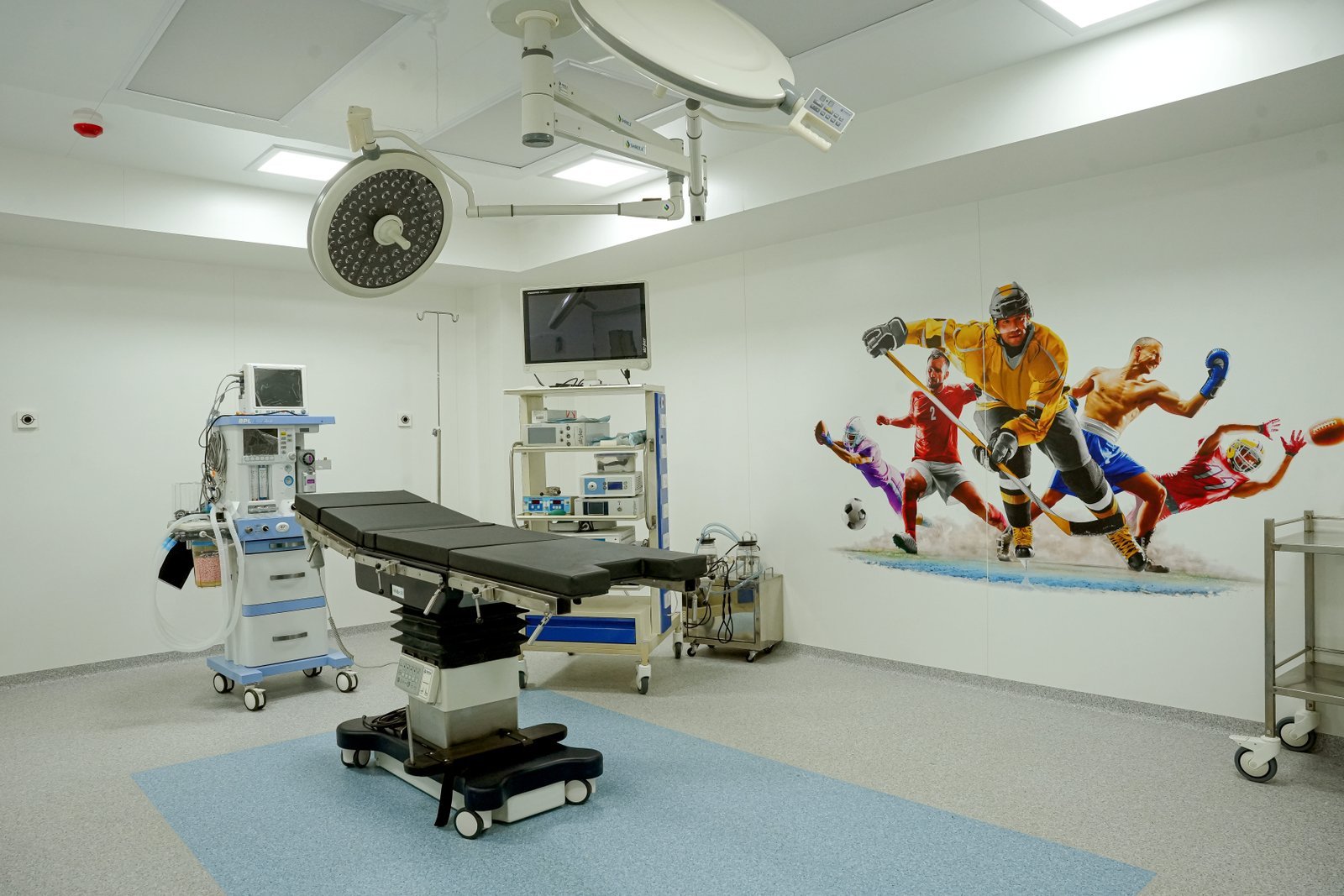
Advanced Diagnostic Technologies
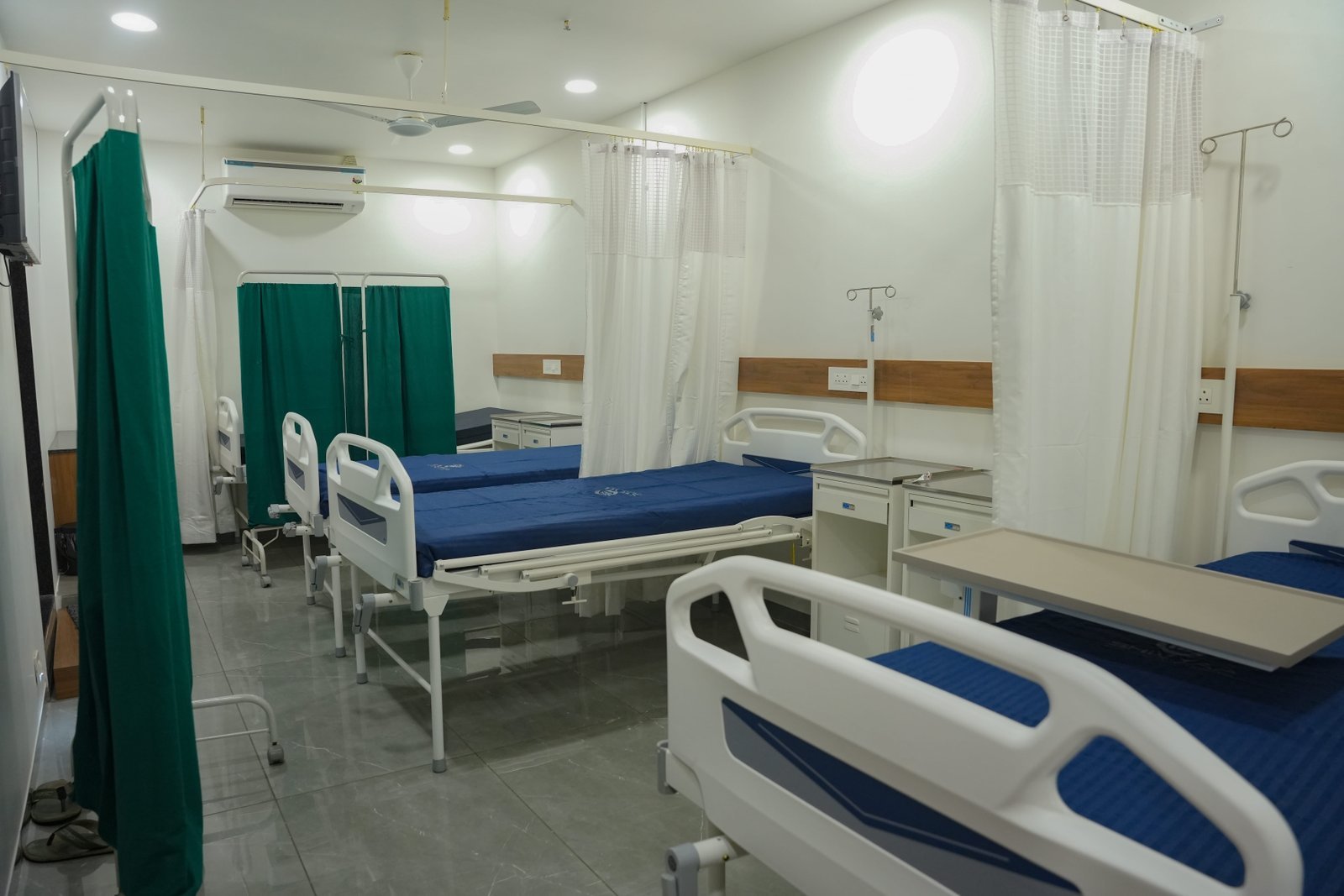
Personalized Treatment Plans

24/7 Emergency Services