
What Is Dry Eye?
Identifying Dry Eye: Key Signs & Symptoms
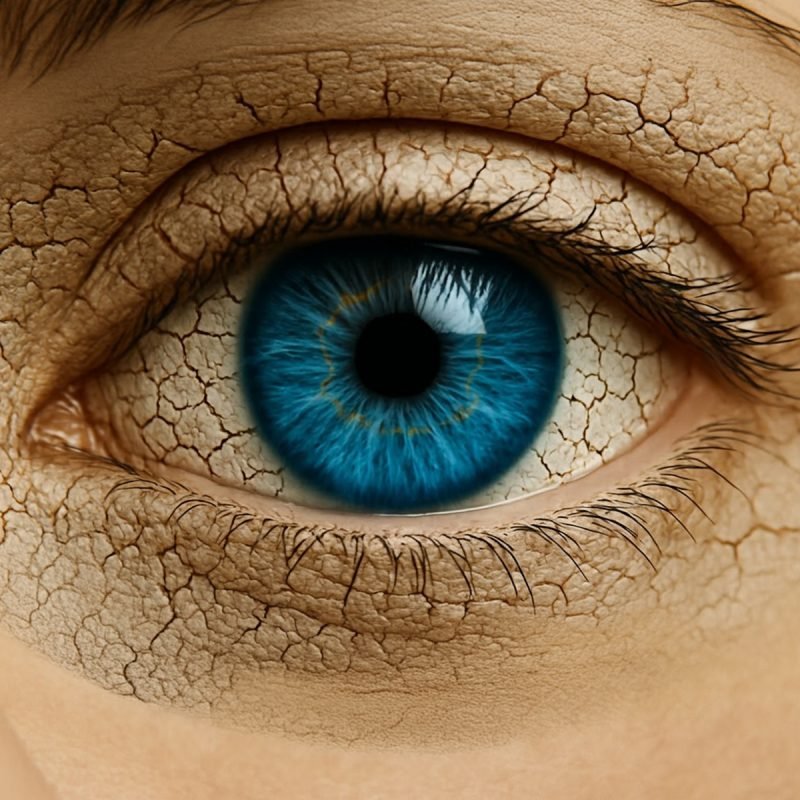
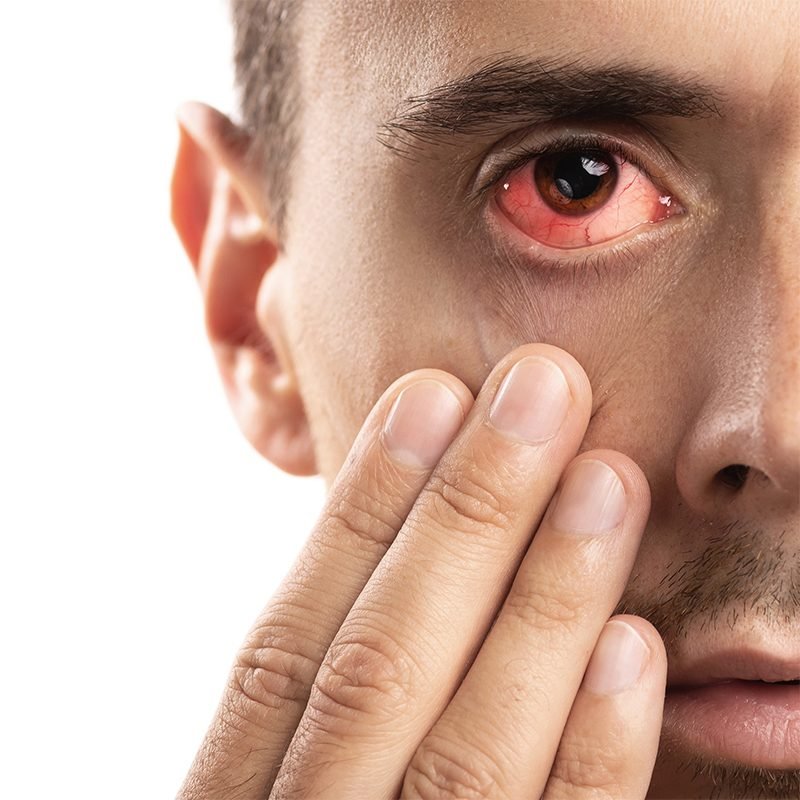
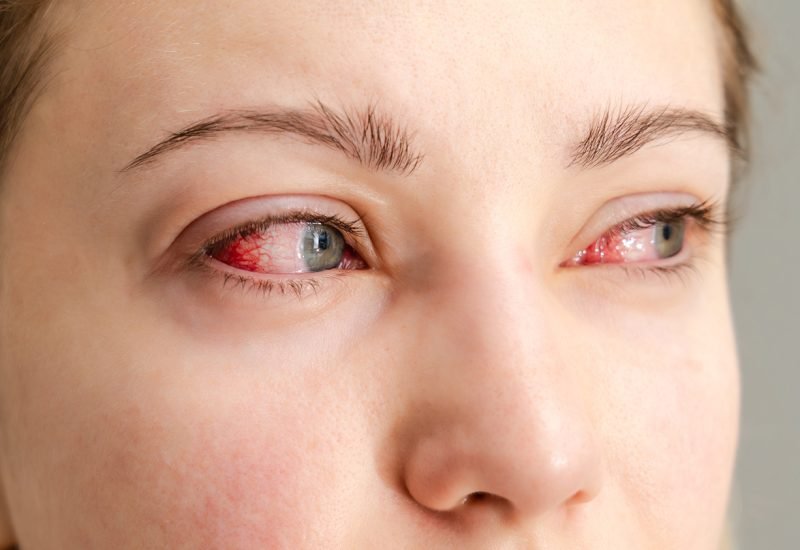
Dry eye usually makes one imagine that there is something caught in the eye that cannot get out. This feeling can either be scratchy, gritty or sandy. You may notice any of the following symptoms:
- Blurry or Fluctuating Vision: Vision shifts throughout the day, especially after long screen use or reading.
- Burning or Stinging: A persistent warm or irritated sensation across the surface of the eyes.
- Light Sensitivity (Photophobia): Bright sunlight, screens, or headlights feel unusually harsh or uncomfortable.
- Stringy Mucus Discharge: Thick or sticky strands of mucus collect in the corners of the eyes.
- Watery Eyes (Epiphora): Paradoxical tearing occurs when the eye overproduces water due to lack of oil from meibomian glands, creating excess tears but not resolving the underlying dryness.
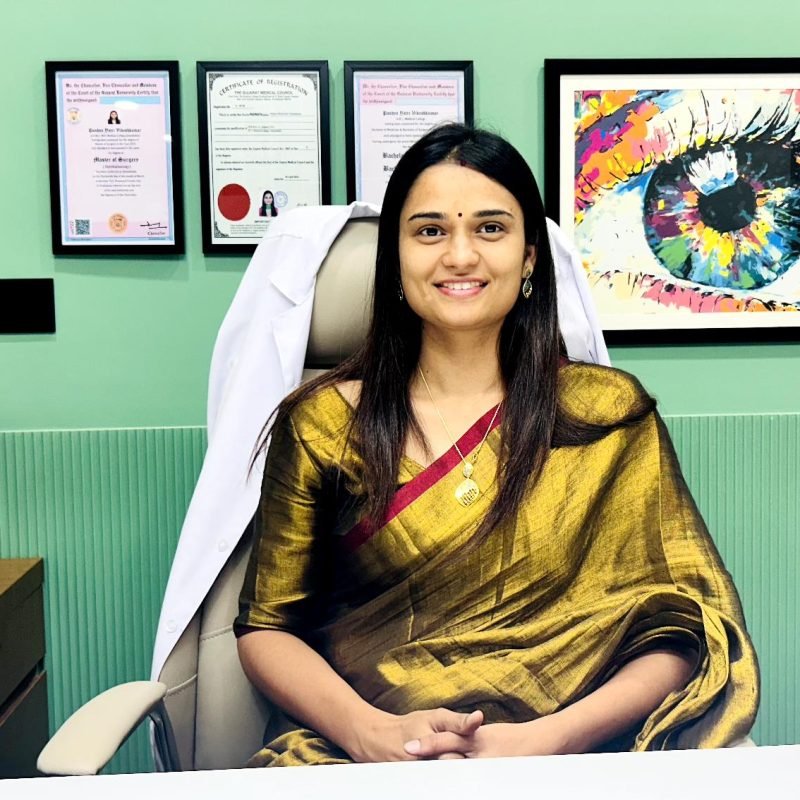
Dr. Yatri Pandya Bhavsar
MS Ophthalmology, FCORS
Professional Experience
Dr. Nagpal’s Retina Foundation (Shahibaug)
- Cornea Consultant (Morning) — 10:00 am to 2:00 pm
Shivyaa Superspecialty Hospital (Gota)
- Cornea Consultant (Evening) — 02:30 pm to 06:30 pm
Dr. Nagpal’s Centre for Cornea, Navrangpura, Ahmedabad
- Ex - Associate Cornea Consultant
GMERS Medical College & Sola Civil Hospital, Ahmedabad
- Ex - Senior Resident
Different Types of Dry Eye Disease
Aqueous-Deficient Dry Eye
Evaporative Dry Eye
Mixed Dry Eye
Causes of Dry Eye
Insufficient Tear Production
The production of aqueous tears in the lacrimal glands is insufficient, and the surface of the eye is under-lubricated and can be easily irritated.
Rapid Tear Evaporation
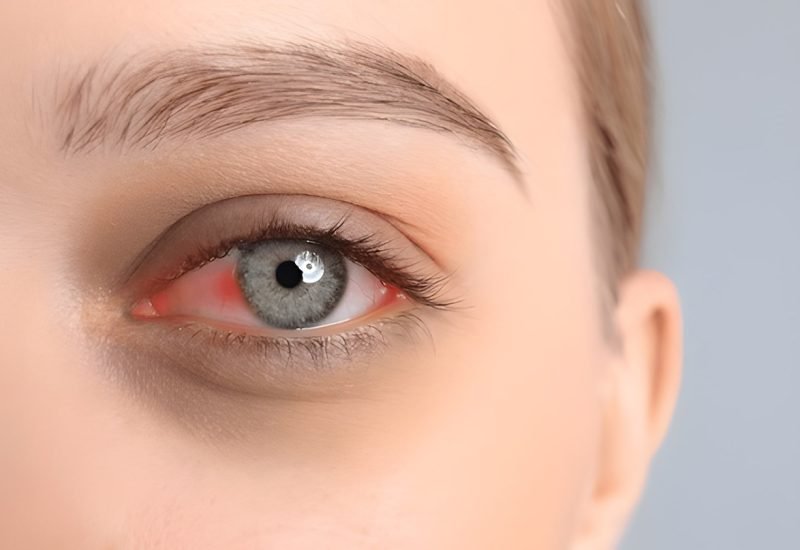
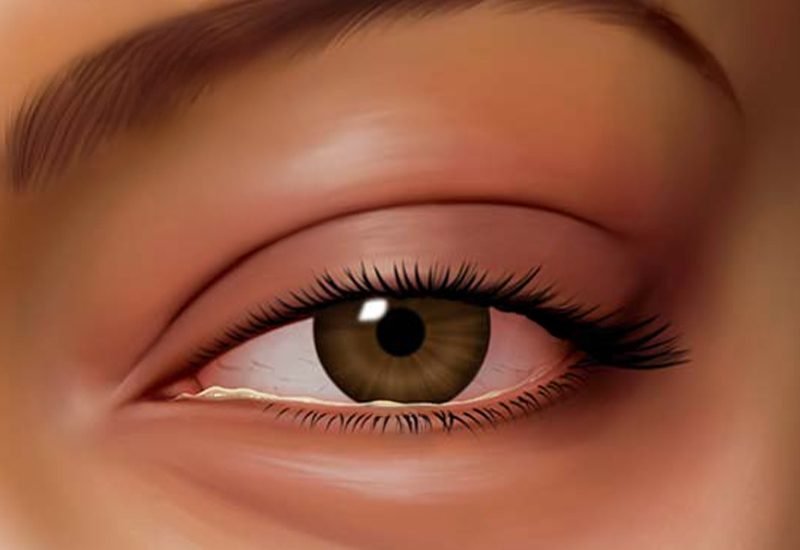
When there is no adequate, disturbed, or obstructed oily layer of the meibomian glands, tears evaporate too rapidly, leading to the surface being dry.
Combination of Both Factors
Some people have a low volume of tears and unstable tear quality, which results in more chronic and distressing symptoms of dry eyes.
Underlying Eyelid Inflammation (Blepharitis)
Long-term inflammation of the eyelid glands influences both the production of oil, and the resultant effect is that the tear film is unstable and there is frequent dryness or irritation.
Autoimmune Conditions (Sjögren’s Syndrome)
This disease assaults the glands of moisture production to a great extent, decreasing the production of tears and resulting in the case of severe and chronic dry eye.
Thyroid Eye Disease
Alterations in eyelid position or blinking patterns reveal more of the eye surface, making it drier and uncomfortable.
Diagnosis & Treatment at Shivyaa Hospital
Our Diagnostic Process
The first step to managing dry eye is an accurate and thorough diagnosis. Our approach is detailed yet comfortable for every patient.
- Detailed Symptom & History Review: We begin with a structured questionnaire covering your symptoms, their duration, triggers, medical history, and related issues like dry mouth, fatigue, ulcers, or joint pain.
- Complete Eye Examination: Our specialists assess the surface of your eyes, eyelids, blinking pattern, and tear film quality under magnification to identify signs of tear deficiency or instability.
- Evaluation of Contributing Factors: We check for associated problems such as allergies, blepharitis, chronic viral infections, or autoimmune conditions like Sjögren’s syndrome.
Our Targeted Treatment Philosophy
Using the results, we create an individualized treatment plan that will correct the symptoms and cause.
- Artificial Tears: Lubricating drops enhance tear stability, reduce dryness, and provide soothing comfort across all levels of severity.
- Anti-Inflammatory Medications: These medications reduce ocular surface inflammation and help increase tear output in mild dry eye conditions.
- Topical Corticosteroids: Short-term steroid use helps manage severe irritation but is avoided long-term due to potential complications.
- Topical Cyclosporine A: Cyclosporine boosts natural tear production and reduces chronic dryness, irritation, and fluctuating vision.
- Antibiotics: Used to treat meibomian gland dysfunction by increasing oil secretion and reducing inflammation caused by dryness.
- Punctal Plugs: Tiny plugs slow tear drainage, improving moisture retention and maintaining surface hydration throughout the day.
- Surgical Options: Advanced procedures protect the cornea, restore the eye surface, and help manage severe cases unresponsive to standard treatments.
When to Seek Medical Attention for Eye Problems
01
Severe Pain
02
Vision Loss
03
Redness & Swelling
04
Eye Trauma
Flashes & Floaters
Why Choose Shivyaa Hospital for Expert Care?
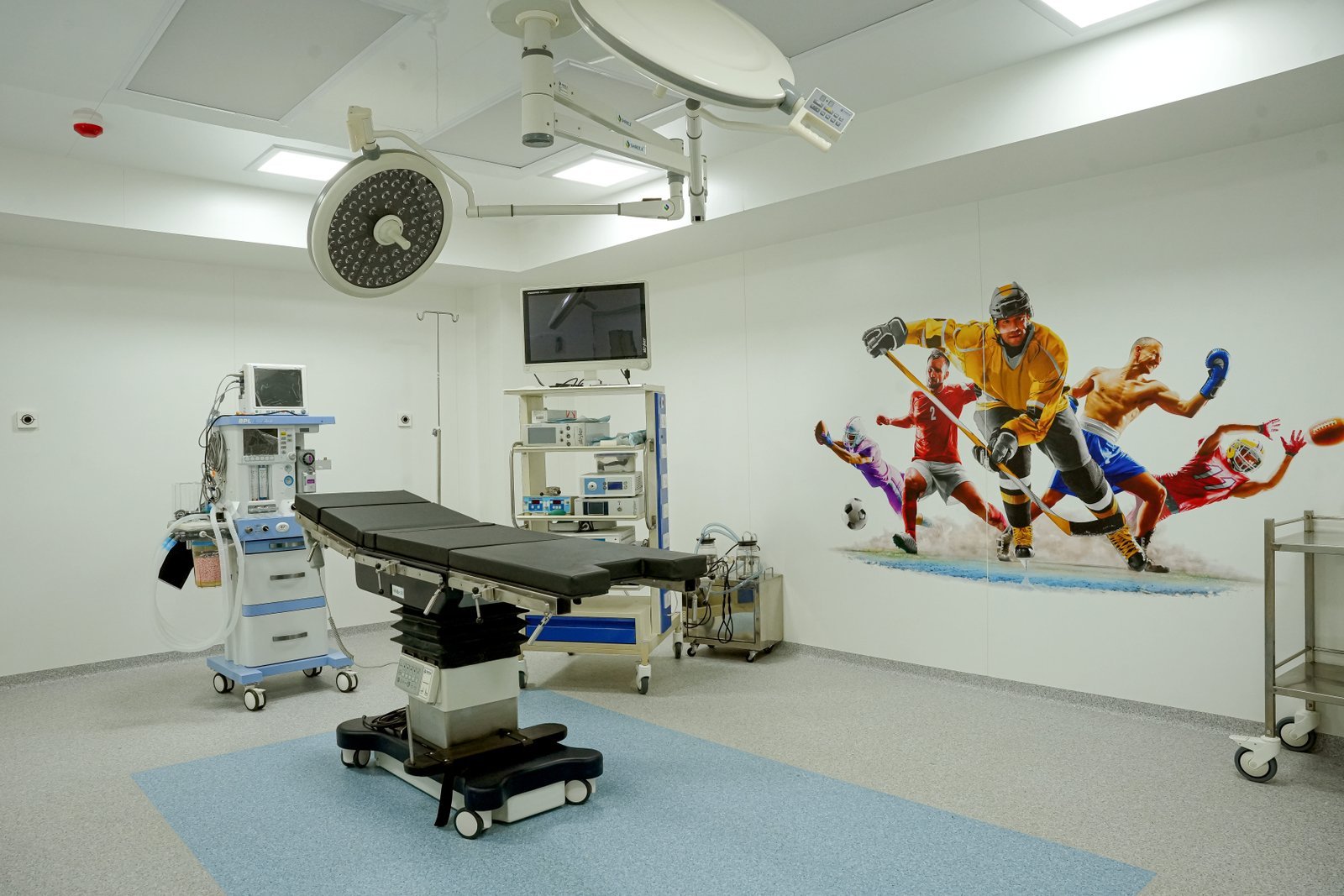
Advanced Diagnostic Technologies
Personalized Treatment Plans
24/7 Emergency Services