
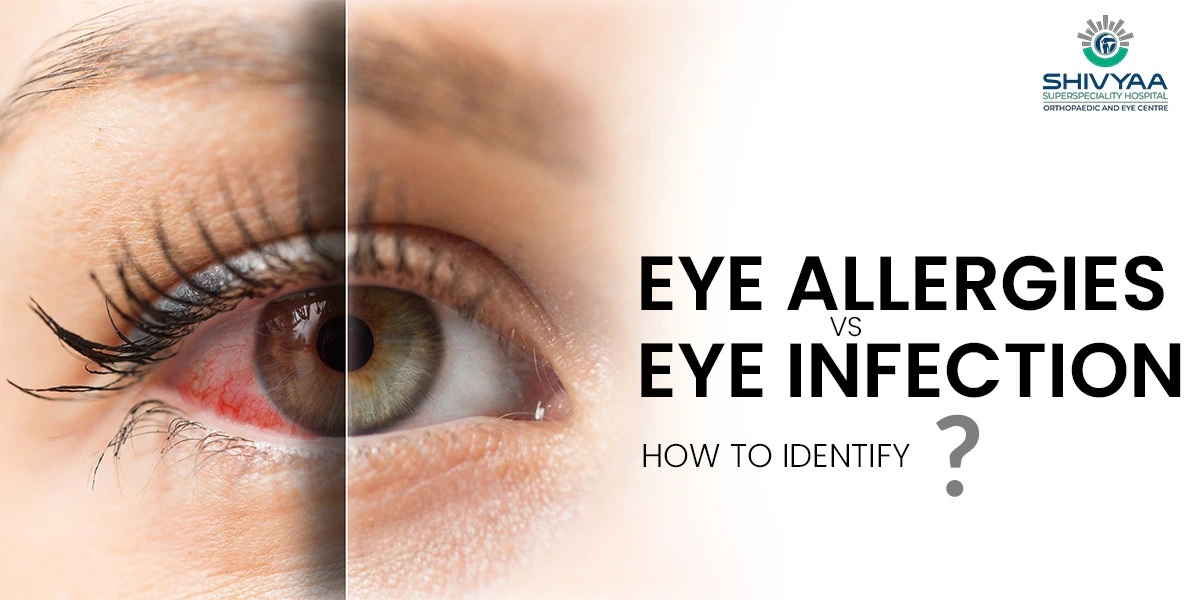
Your eyes are red and irritated, and you can’t stop rubbing them. Is it a seasonal allergy flare-up, or did you wake up with an infection? Eye allergy vs eye infection are two common issues that can be easily confused.
Both can irritate and make your eyes red. However, an eye allergy happens when your immune system reacts to an irritant, while an eye infection is caused by a microbe.
Understanding the difference between an eye allergy and an eye infection is important for your comfort and your vision.
Let’s look at the symptoms to help you figure out what you are dealing with.
Understanding Eye Allergies
Eye allergies occur when your immune system overreacts to common substances. Pollen, dust, or pet dander drifts into your atmosphere, and your organism takes them as an enemy. It discharges histamines, and then you have red, swollen eyes that will not stop shedding tears.
Common eye allergy symptoms:
- Itchy eyes – This remains the hallmark symptom. You feel an intense urge to rub them, especially during spring or around pets.
- Watery discharge – Tears flow constantly, but they stay clear and thin.
- Both eyes are affected – Symptoms usually hit both eyes at the same time.
- Swollen eyelids and burning sensation – You may also notice sensitivity to light.
These signs remain as long as you are around the trigger. Eliminate the allergen, and the irritation usually settles down.
Uncovering Eye Infections
Bacteria or viruses that attack the eye cause eye infections. They are not allergic to pollen, like bugs. They are transmitted by touch, towels, or close contact, and they usually require medical care to clear.
Common eye infection symptoms:
- Pink eye – This is the most common infection, and it brings distinct clues.
- Thick discharge – You will see mucus or pus instead of watery tears. A lot of individuals wake up with glued eyelashes.
- Starts in one eye – Infections normally start in one eye and then may spread to the other eye.
- Pain and grittiness – You can experience a sense of sand in the eye and quite a lot of pain.
Quick Comparison: Eye Allergy vs Eye Infection
|
Feature |
Eye Allergies |
Eye Infections |
|
Itchiness |
Severe, intense itching |
Mild itch or no itch |
|
Discharge |
Clear, watery |
Thick, yellow, green, or crusty |
|
Onset |
Both eyes at once |
Usually, one eye first |
|
Cause |
Pollen, dust, pet dander |
Bacteria, viruses, fungi |
|
Contagious |
No |
Often yes |
Home Relief Tips for Fall Eye Allergies
When an optometrist has verified that it is an allergy and not an infection, you can manage it at home. These are basic measures that serve to soothe eye irritation and limit your exposure to triggers.
Soothe and cool:
- Take the lubricating eye drops. No preservative formulas are effective when they are often needed within a day.
- Use a cold compress in the morning and evening. This deflates puffiness and dulls the itch of unrelenting eyes.
Cleanse and rinse:
- After being outdoors, rinse your eyelids with either a mild eyelid soap or warm water. This cleanses off pollen before it can settle.
- Get in the shower and change when you get inside. This prevents you in monitoring the allergens in your house.
Filter and protect:
- Use a HEPA filter at home or in the bedroom. It captures pollen, mold spores, and dust, which cause reactions.
- Never rub your eyes, however tempted you are. Rubbing will just increase the inflammation and aggravate the causes of red eyes.
Plan:
- In case your fall allergies recur annually, discuss longer-term measures with your doctor. Options such as allergen immunotherapy or daily antihistamines can help prevent symptoms.
How Do Doctors Treat an Eye Infection?
The treatment is all about the cause of the infection. The method your doctor will select will depend on the type of bacteria, virus, or other offender that you are dealing with.
For bacterial infections:
- Anti-infective medicine is probably going to come in the shape of antibiotic eye drops, ointments, or pills.
- The majority of individuals experience relief 24-48 hours after initiating the treatment.
For viral infections:
- Antibiotics are not going to do the trick. Your body normally has to fight the virus itself.
- It changes your mindset when dealing with the pain as the infection progresses.
For allergic eye reactions:
- They are not infections but are miserable. The initial line of attack is the removal of the trigger.
Home remedies that help with any eye irritation:
- Use a warm or cold compress to cool down the eyes. Select either of them that feels good to you.
- Apply lubricating eye drops to clear irritants and inject moisture.
- Take OTC analgesics when you feel sore.
- Avoid allergens that caused the initial reaction.
When to See a Doctor
All red eyes do not require a prescription, but you should see a doctor:
- Home care is insufficient to help improve symptoms.
- You have pain or vision problems in your eyes.
- Discharge turns gelid, yellow, or green.
- Your eyelids puff or even glue themselves together.
- You have a poor immune system or use contact lenses.
Your eyes do not have to stay red, itchy, or uncomfortable. Identifying whether you are dealing with an eye allergy vs eye infection helps you choose the right path to relief.
Conclusion
At Shivyaa Superspeciality Hospital, we remove the guesswork from eye irritation. Dr. Yatri Pandya Bhavsar has over a decade of experience and expertise in her work. She listens to your complaints, examines your eyes, and identifies the exact red eye causes that are bothering you.
Whether your concern is to get relief from seasonal allergies or to get treatment for pink eye and other infections, we provide the best care for your needs in one place. Our advanced technology and care mean that you get the right treatment and the right care.
Don’t let your red, irritated eyes make you wait. Come to Shivyaa Superspeciality Hospital in Ahmedabad. Let Dr. Yatri Pandya Bhavsar help you see the world clearly once again.
Your vision matters to us. We are committed to protecting it.