What is joint-preserving surgery?
Causes of Joint Pain
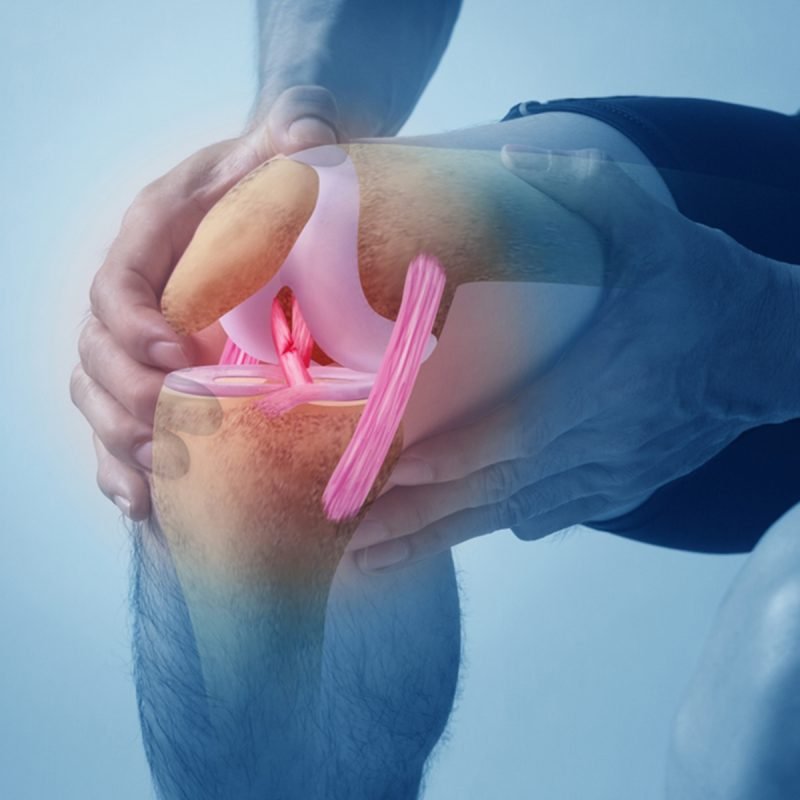
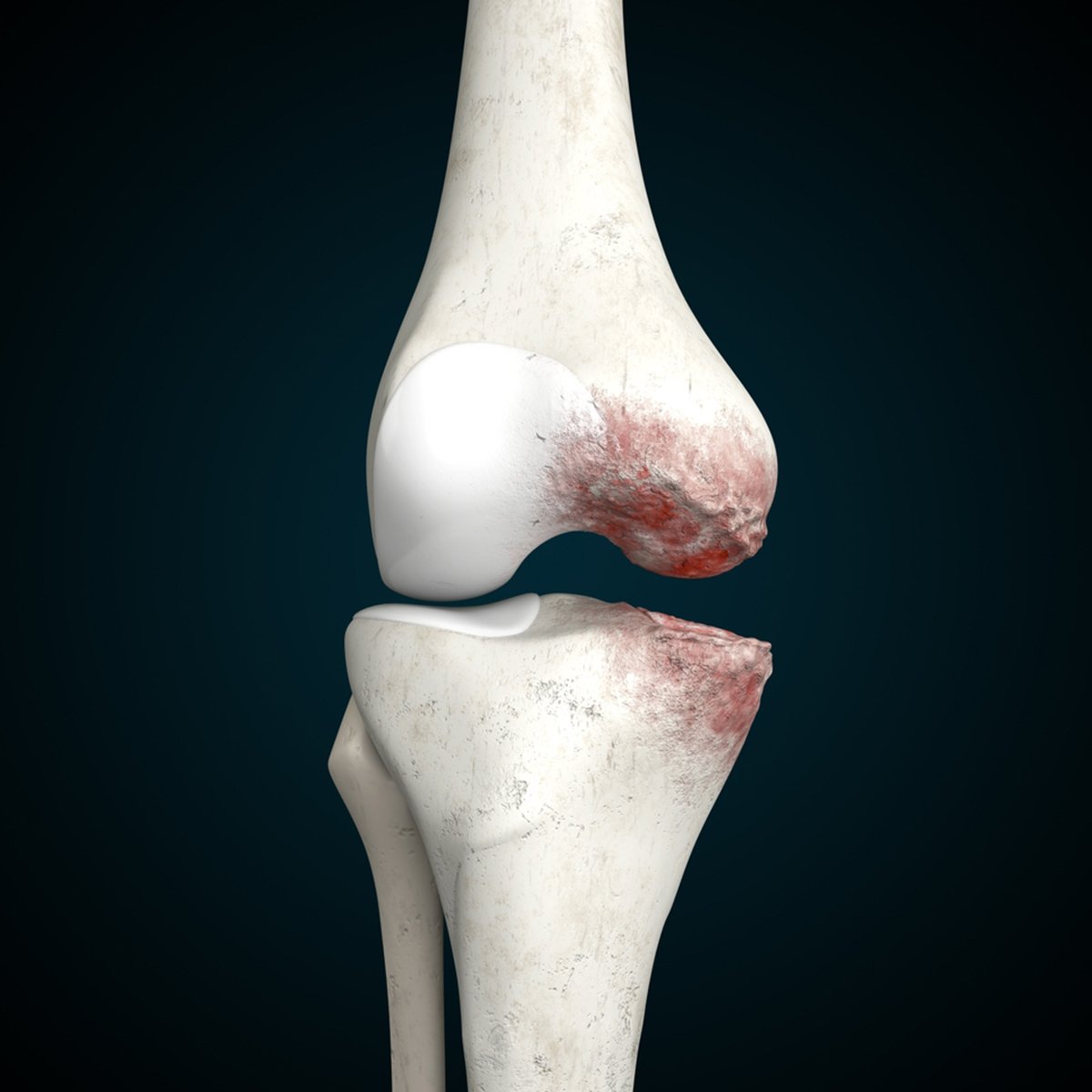
The pain in the joints may either crop up immediately after an injury or gradually in the process of joint degeneration under continuous stress. Knowledge of the causes of the pain is useful in defining how best to treat the patient and maintain the long-term joint functionality. The most common causes include:
- Injury-Related Joint Damage: A direct impact, twist, or sudden movement can strain surrounding tissues, irritate the joint surface, and trigger immediate discomfort or swelling.
- Joint Dislocation Due to Trauma: Occurs when the joint is pushed out of its normal position, affecting surrounding ligaments, tendons, and cartilage, causing pain and instability.
- Natural Wear and Tear: Joint surfaces thin over time due to aging or repetitive use, leading to stiffness, reduced mobility, and pain during daily activities.
- Degenerative Conditions Like Arthritis: Conditions such as osteoarthritis gradually erode cartilage, causing mechanical changes and chronic, activity-related pain.
- Inherited or Structural Joint Abnormalities: Certain joint shapes or alignments place uneven stress on specific areas, increasing the risk of early cartilage damage.
Dr. Parth Bhavsar
MS Orthopedics, FIAAS, FIHPAS
10+ years of excellence in Orthopedic care, combining experience with advanced surgical techniques to deliver trusted outcomes.
Specialist in Arthroscopy (Keyhole Surgery), Joint Replacement, and Sports Injury Management. Widely recognized for his precision, compassionate approach, and expertise in complex trauma treatment.
Professional Experience
Geetanjali Medical College & Hospital, Udaipur
- Ex - Senior Resident
- Ex - Assistant Professor
GMERS & Sola Civil Hospital, Ahmedabad
- Ex - Senior Resident
- Ex - Assistant Professor
Shalby Hospital, Ahmedabad
- Ex - Consultant – Orthopaedic, Arthroscopy & Joint Replacement Specialist
Indications for Joint Preservation Surgery
Cartilage Damage or Deformity
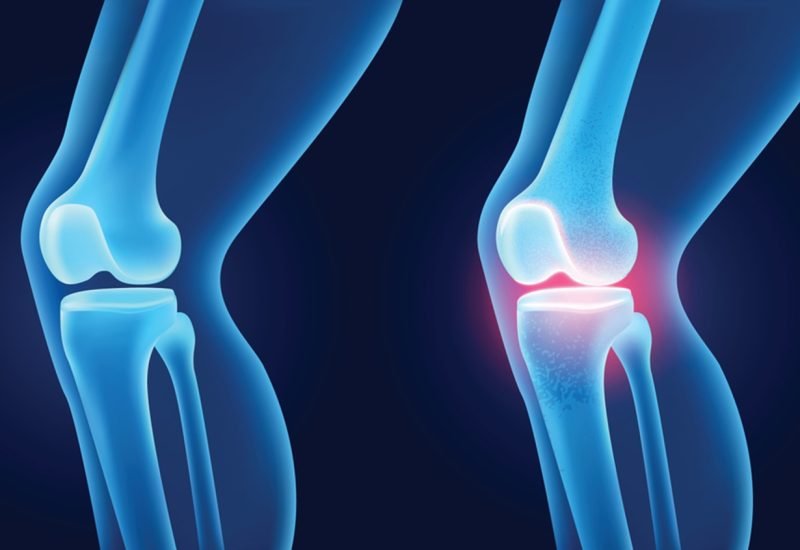
In case the cartilage is not even or thin or is damaged, the joint lacks smooth movement. This normally causes pain in the process of movement and predisposes to early degeneration in case of inaction.
Difficulty Performing Daily Activities

Persistent Joint Discomfort
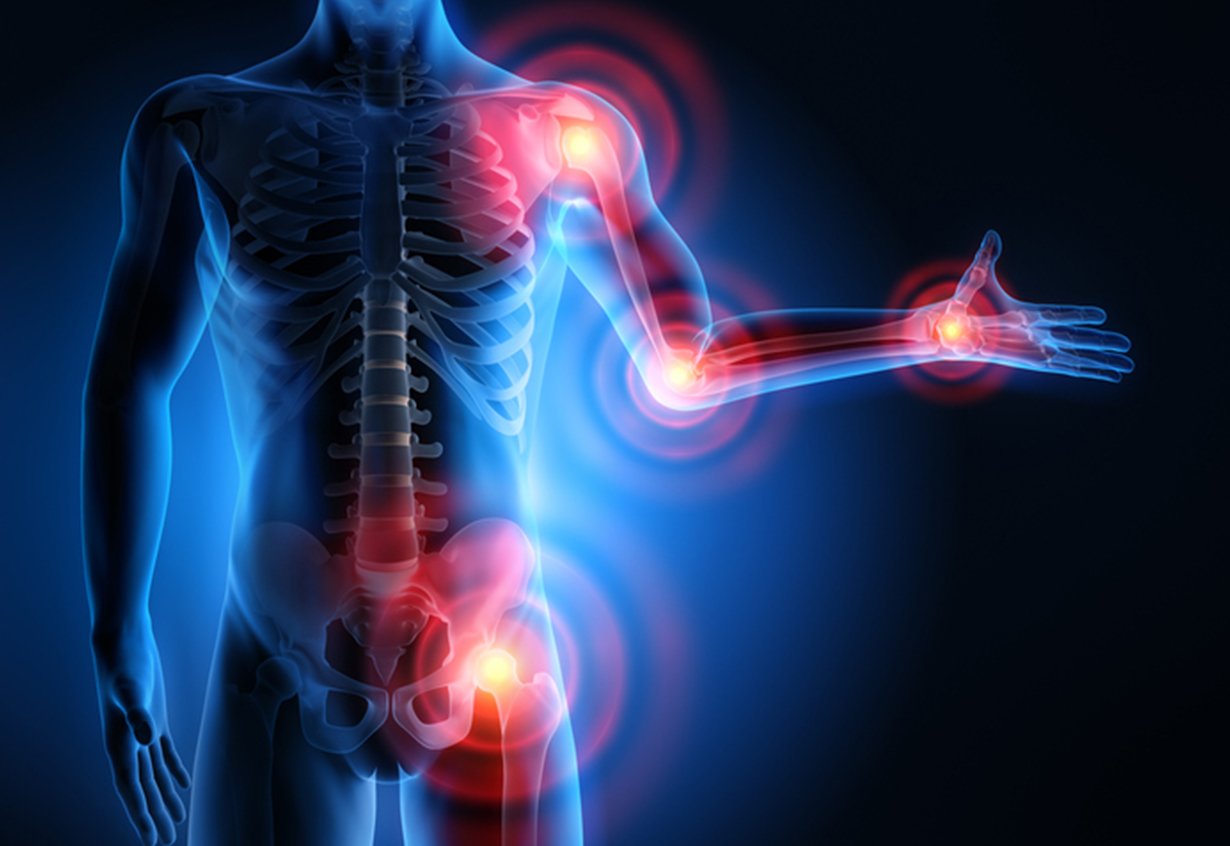
Pain After Arthroscopy
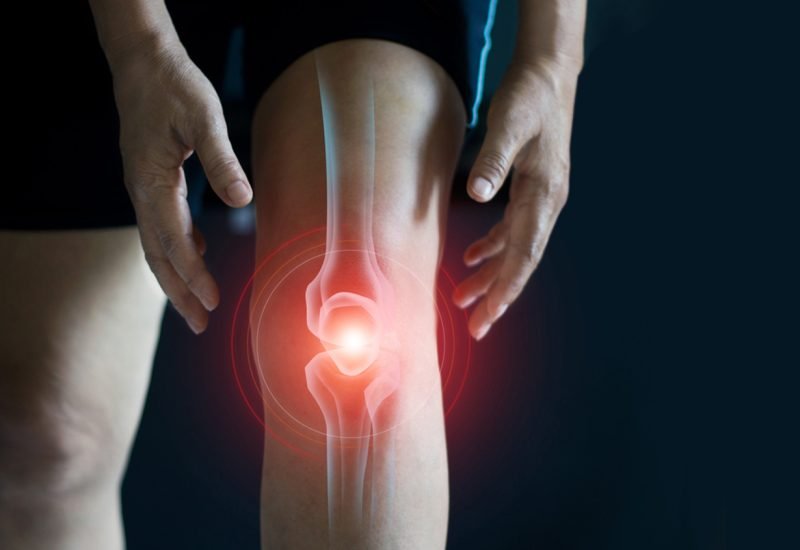
Discomfort After Joint Replacement
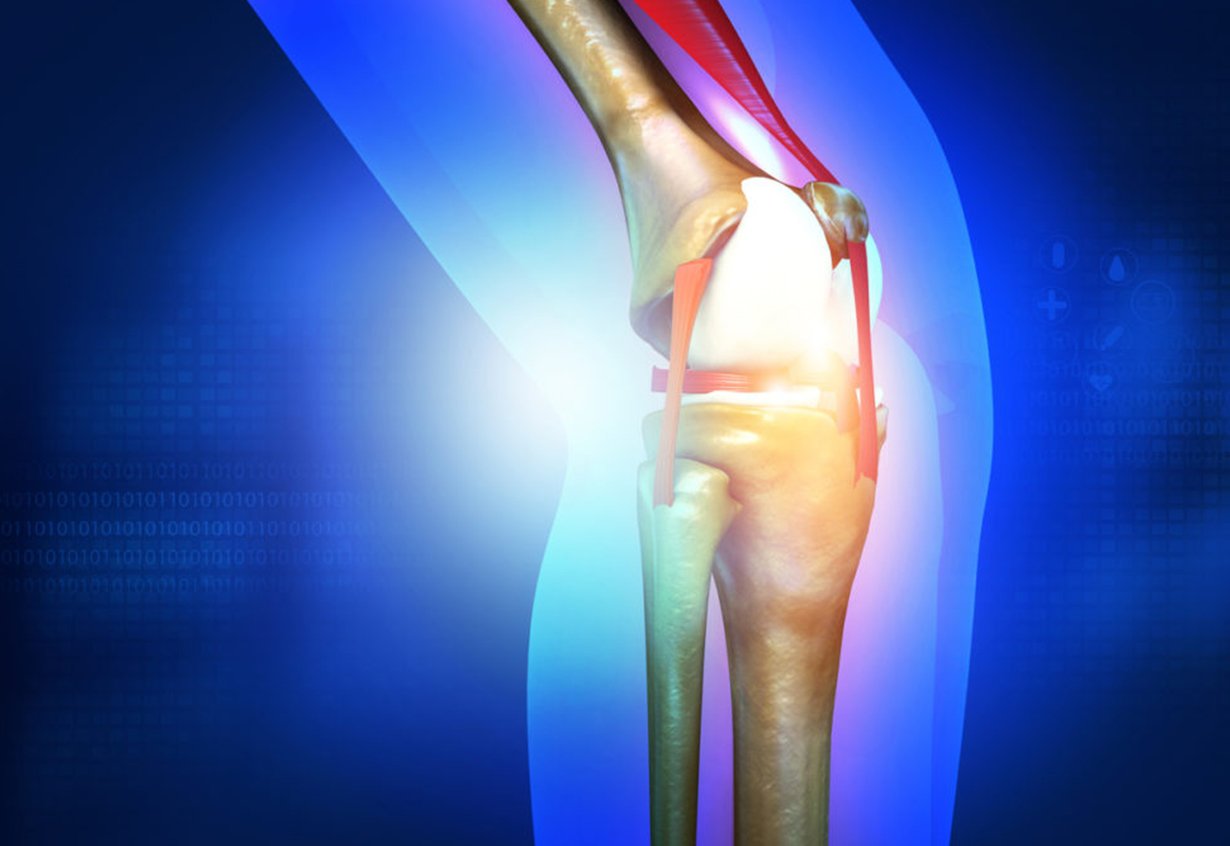
Benefits of Joint Preservation Surgery
Protects the Joint
The preservation procedures rectify early structural anomalies, and they also repair the smoother movements, and also they minimize the stress on the cartilage. This has the effect of slowing down the damage, stabilizing mechanics in a joint, and long-term preserving mobility without hastening the degradation of tissues around it.
Reduces Pain
These surgeries provide significant and valuable relief by correcting issues in alignment, cartilage ruptures, or uneven load distribution. Patients usually report feeling more comfortable with their daily activities, movements are better, and there are fewer limitations in comparison with the treatment methods based on symptoms only.
Slows Degeneration
Early correction will help avoid repetitive load on a single component of the joint, which reduces the possibility of arthritis progression. This is an active solution, which helps maintain the health of the joints, safeguards the surrounding tissues, and lowers the potential adverse consequences of the mechanical imbalance that occurs in the long run unless treated.
Delays Replacement
The natural joint preservation is useful in delaying or even preventing a joint replacement, particularly in younger or vigorous persons. This will enable patients to live their lifestyles with minimal major operations and a more probable long-term future.
Improves Life Quality
The increased mobility, minimized pain, and joint consistency make patients resume normal routines confidently. Extensive degeneration will also be prevented, which reduces the costs of health care across the lifetime since it is unnecessary to perform multiple interventions or an early replacement surgery.
Joint Preservation Procedures Journey: What to Expect at Shivyaa Hospital
What Happens During Emergency Management
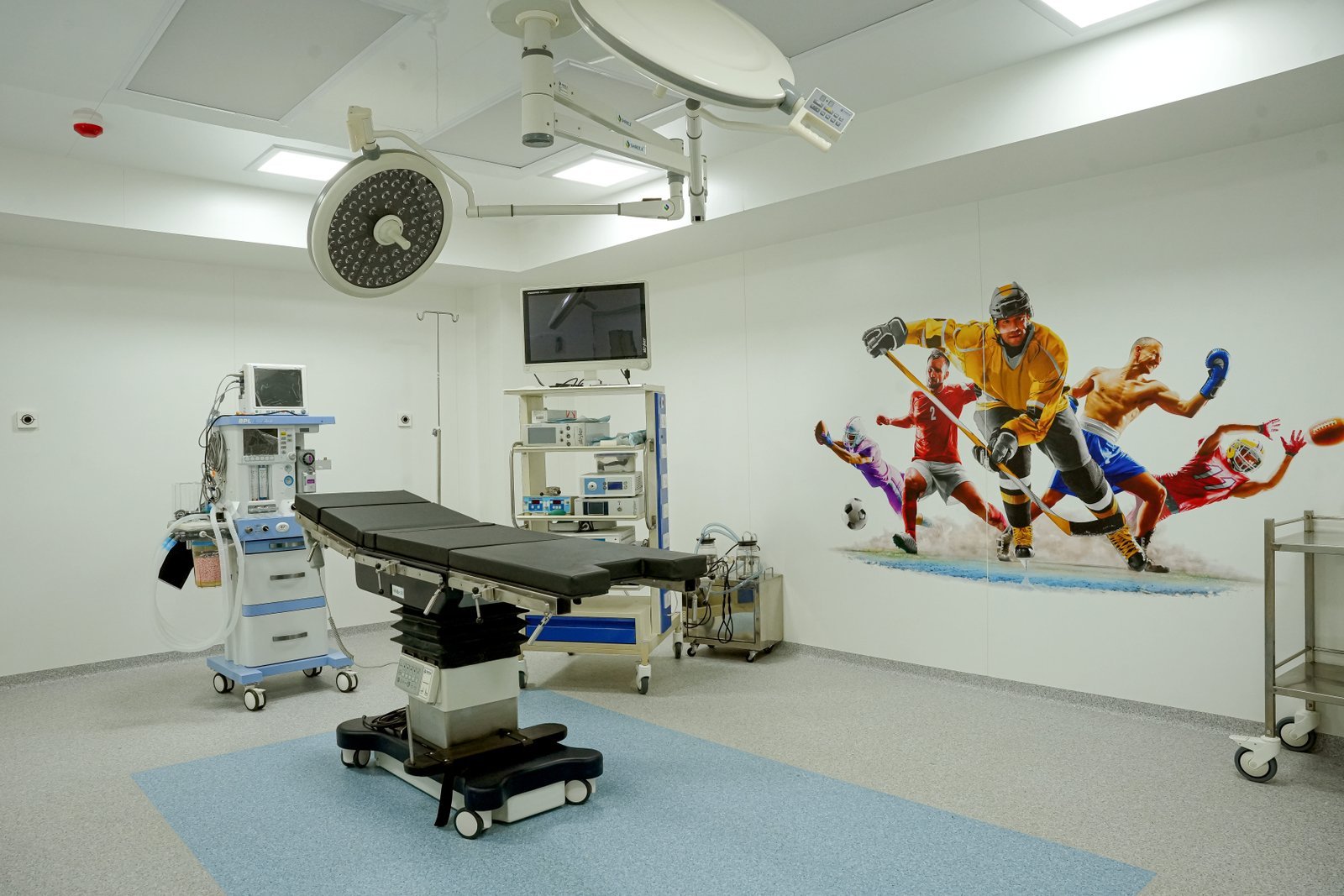
Joint preservation at Shivyaa Hospital follows a systematic process designed to diagnose the problem precisely and restore joint function with the least invasive approach possible.
- Arthroscopic Evaluation: A small camera is inserted through tiny incisions to view the joint internally. The surgeon identifies tears, cartilage defects, loose bodies, or inflammation and treats them during the same session when possible.
- Cartilage Restoration: Techniques like microfracture, mosaicplasty, or ACI reconstruct damaged cartilage, restoring normal joint movement and preventing premature degeneration.
- Ligament or Soft Tissue Repair: Torn ligaments or soft tissues are repaired using the patient’s own graft or donor tissue to enhance joint strength, stability, and long-term function.
- Bone Realignment (Osteotomy): The bone is reshaped or repositioned to redistribute weight across the joint, reducing strain and protecting healthy cartilage.
- Biologic Injections & Support: PRP or hyaluronic acid injections may be administered to reduce inflammation, improve lubrication, and support natural healing within the preserved joint.
Recovery and Rehabilitation
Healing depends on the nature of the joint preservation surgery done; however, physiotherapy is the essence of successful recovery. The exercises in a structured form, building up, and regular follow-up examinations can restore the mobility and guard the restored joint.
When to Seek Immediate Medical Care for Orthopedic Problems
01
Deformity or Abnormal Bone Mobility
02
Severe Joint Pain
03
Loss of Function
04
Neurological Symptoms
Road traffic accident or sports injury
Why Choose Shivyaa Hospital for Expert Care?
Advanced Diagnostic Technologies
Personalized Treatment Plans

24/7 Emergency Services