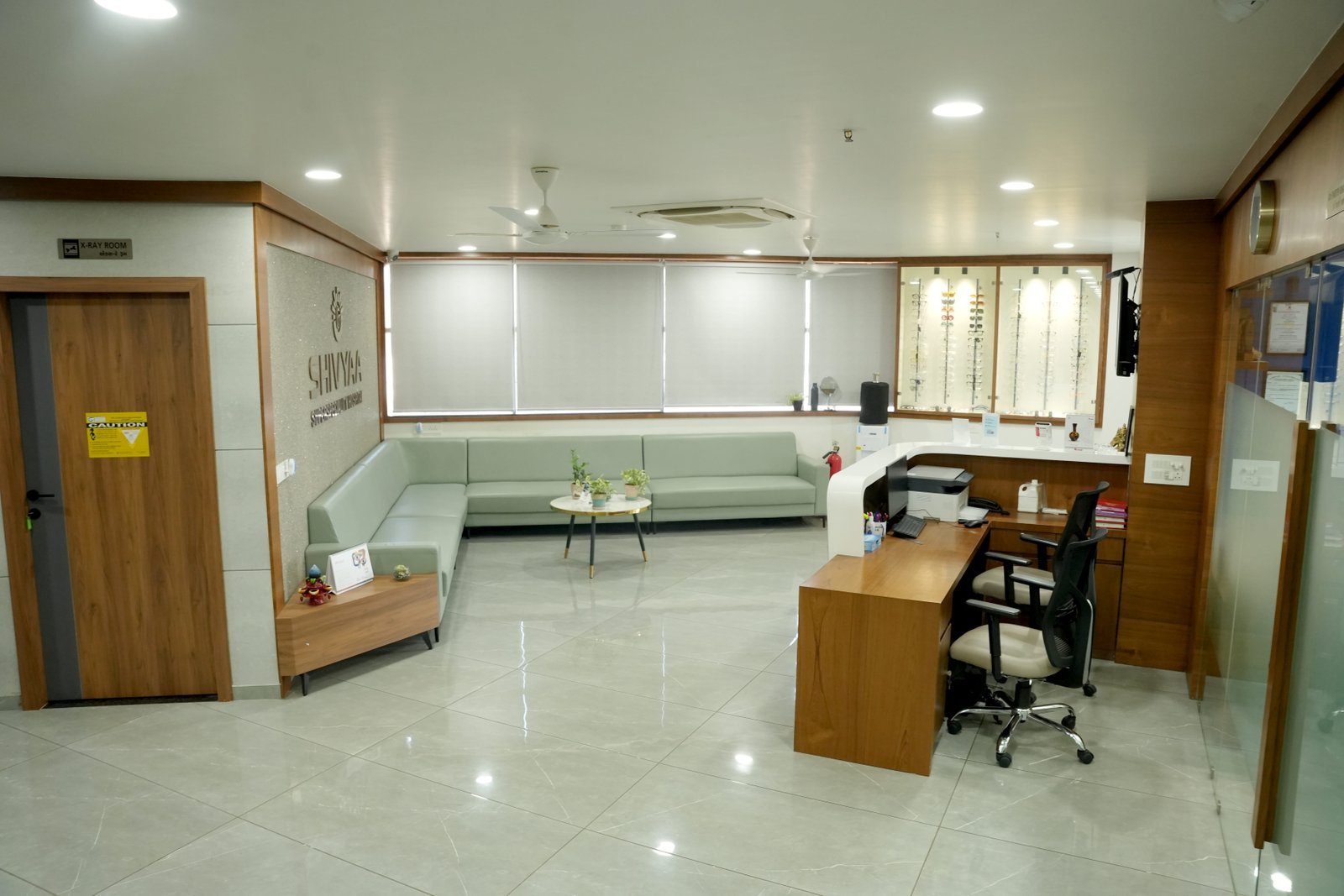
What Are OPD and IPD Services?

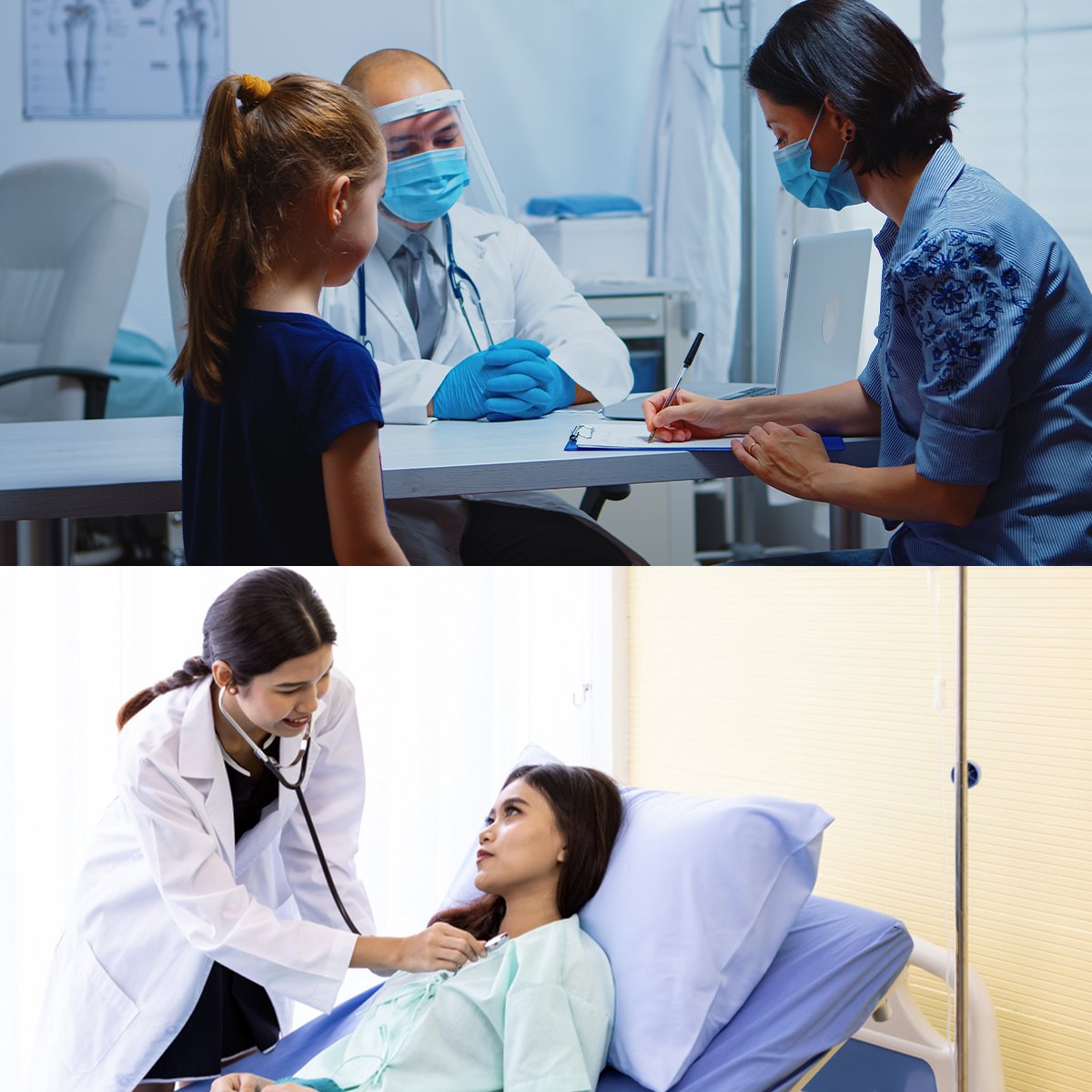
What Are the Main Differences Between OPD and IPD?
OPD and IPD do not require similar treatment. Learning about their differences also enables the patient to know when they can treat their cases just as outpatients and when they need to be hospitalized.
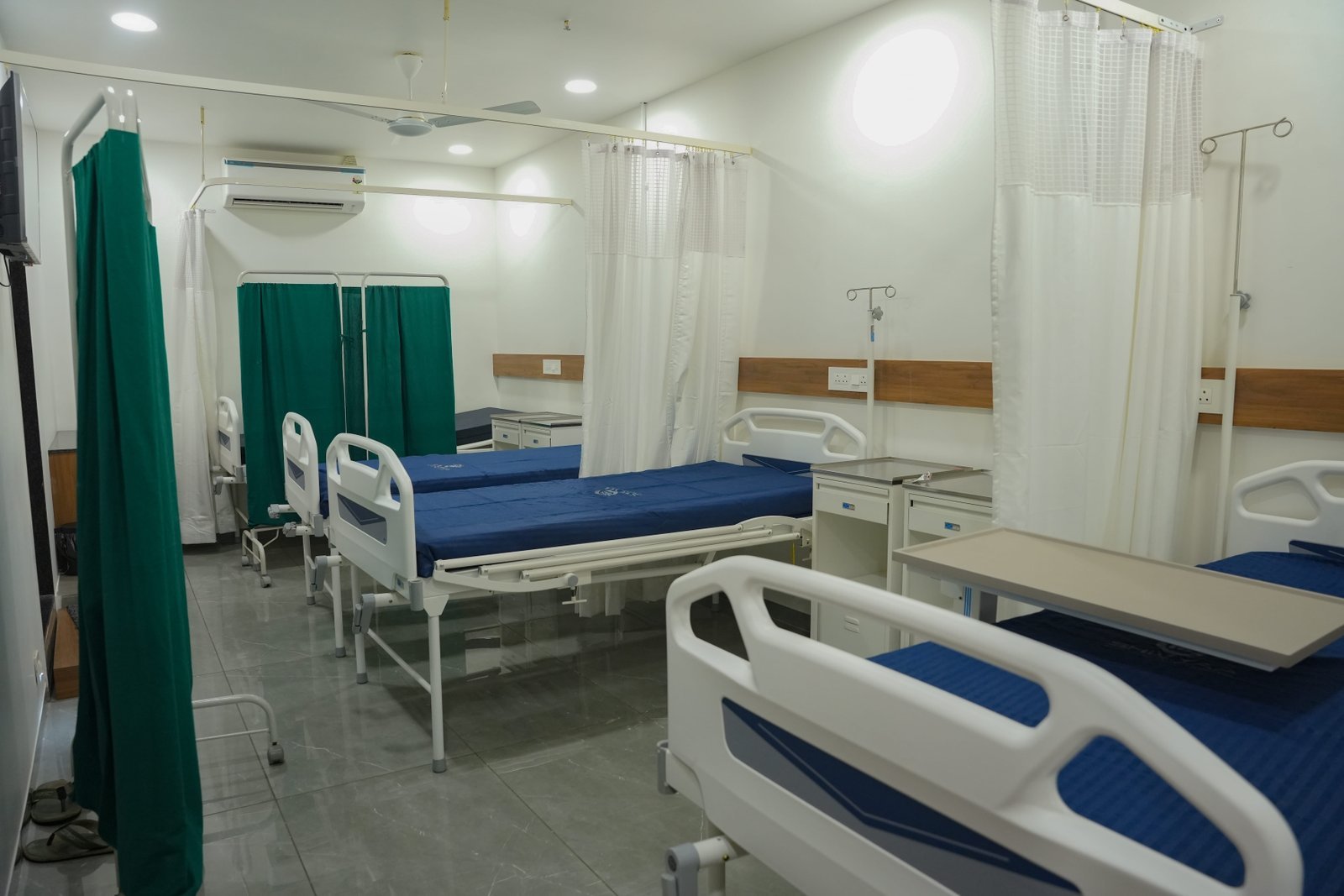
- Stay Duration: OPD does not need any admission and stays the same day, whereas IPD involves staying in the hospital overnight and receiving constant attention and medical care.
- Type of Treatment: OPD deals with minor cases and routine examinations, and IPD deals with serious diseases, surgeries, and treatments that need 24-hour clinical attention.
- Cost Differences: OPD is usually low because it has fewer services, whereas IPD covers room cost, nursing, equipment, and procedure and therefore adds to the total cost.
- Doctor Interaction: OPD enables one to interact with doctors for brief visits, whereas IPD allows for more extensive time with the doctor, providing more detailed monitoring and adjustments to the treatment plan.
- Admission Requirement: OPD does not require any admission to receive care, but IPD must be formally hospitalized in cases where the situation can not be safely managed at home.
Dr. Parth Bhavsar
MS Orthopedics, FIAAS, FIHPAS
10+ years of excellence in Orthopedic care, combining experience with advanced surgical techniques to deliver trusted outcomes.
Specialist in Arthroscopy (Keyhole Surgery), Joint Replacement, and Sports Injury Management. Widely recognized for his precision, compassionate approach, and expertise in complex trauma treatment.
Professional Experience
Geetanjali Medical College & Hospital, Udaipur
- Ex - Senior Resident
- Ex - Assistant Professor
GMERS & Sola Civil Hospital, Ahmedabad
- Ex - Senior Resident
- Ex - Assistant Professor
Shalby Hospital, Ahmedabad
- Ex - Consultant – Orthopaedic, Arthroscopy & Joint Replacement Specialist

Advantages of OPD
Cost-Effective

Convenience
Reduced Infection Risk

Efficient Resource Use

Greater Patient Autonomy

Advantages of IPD
Comprehensive Care
IPD offers full-time support of 24/7 and collaboration of doctors and specialists, providing a safe and permanent treatment of serious cases that demand close medical attention.
Immediate Access to Services
On-site diagnostics, imaging, surgeries, and specialized treatments are provided to patients in real time, which minimizes the delays and provides a quicker and more efficient method of making clinical decisions.
Enhanced Monitoring
Continuous monitoring can identify the shift in health conditions promptly and respond to treatment, medication, or supportive measures very quickly.
Structured Healing Environment
In a controlled hospital environment, one can rest, be safe, and have regular medical supervision, which facilitates easier recovery following surgical procedures or serious medical conditions.
Better Management of Chronic Conditions
Frequent tests and constant adjustments in the treatment of chronic illnesses enable the stabilization of recurrent conditions, which gives an in-depth treatment to patients who require constant check-ups.
When to Choose OPD or IPD: What to Expect at Shivyaa Hospital
When OPD Is the Right Choice
OPD care is suitable for medical issues that do not need hospitalization. It is flexible, has fast access to physicians, and is cheap in general.
- Mild or Manageable Issues: Routine problems such as fever, cold, allergies, skin rashes, and simple infections are normally managed by OPDs.
- Consultations & Tests: Routine check-ups, follow-ups, blood tests, X-rays, and minor procedures can be completed without staying in the hospital.
- No Admission Needed: In case of a stable condition that requires no monitoring, OPD provides you with the opportunity to treat and go home at once.
- Minimal Routine Disruption: OPD facilitates fast visits, and it is less stressful to balance between work, family, and your usual routine.
- Lower Cost Option: OPD eliminates room, nursing, and hospital bills, which results in it being less expensive when a person requires non-emergency medical care.
When IPD Is the Better Option
IPD is recommended when a patient needs close observation, advanced treatment, or procedures that cannot be safely done in OPD.
- Continuous Monitoring: It necessitates 24-hour clinical care in case of serious infection, unstable syndrome, and acute alterations in health condition.
- Surgery or Post-Op Care: IPD is necessary in most surgeries because the majority of them require pre-procedure preparations and monitored recovery.
- Risk of Worsening: In case your condition might deteriorate without care, e.g., breathing difficulties, heart-related symptoms, etc., IPD provides a safe level of monitoring.
- 24/7 Medical Support: IPD offers round-the-clock services of nurses, physicians, oxygen, IV drugs, and emergency gear.
- Maternity Care: Childbirth, observation after the delivery, and child monitoring are usually the processes that demand the IPD admission to guarantee safe and comprehensive care.
When to Seek Immediate Medical Care for Orthopedic Problems
01
Deformity or Abnormal Bone Mobility
02
Severe Joint Pain
03
Loss of Function
04
Neurological Symptoms
Road traffic accident or sports injury
Why Choose Shivyaa Hospital for Expert Care?
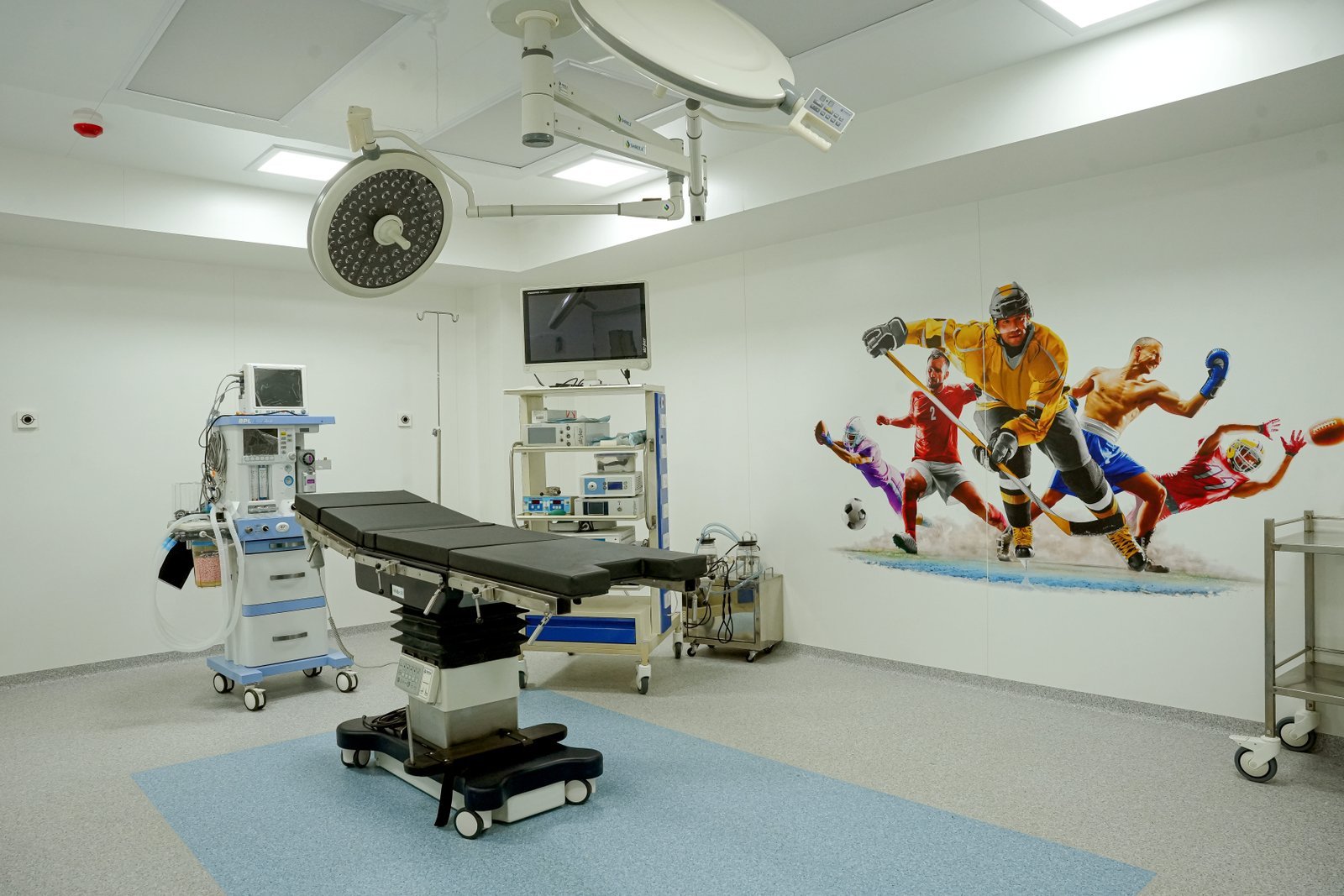
Advanced Diagnostic Technologies
Personalized Treatment Plans

24/7 Emergency Services