What is stem cell therapy?


Who Typically Qualifies for Stem Cell Transplantation?
Stem cell transplantation with own bone marrow-derived cells can be discussed in case of the association of the vision loss with the specific nerve or retinal disorders and the absence of significant improvement with the help of the traditional methods. You may be evaluated for this procedure if you have:
- Optic Nerve Atrophy: Damage or thinning of the optic nerve leading to reduced vision and contrast sensitivity.
- Amblyopia: Long-standing “lazy eye” with diminished visual acuity despite glasses or patching.
- Nystagmus: Uncontrollable, repetitive eye movements that disrupt stable, clear vision.
- Retinal Pigment Epithelium Dystrophy: Degeneration of the retinal support layer causing progressive visual decline.
- General Eligibility: Male or female patients between 4 and 78 years of age, after thorough clinical evaluation and counselling.
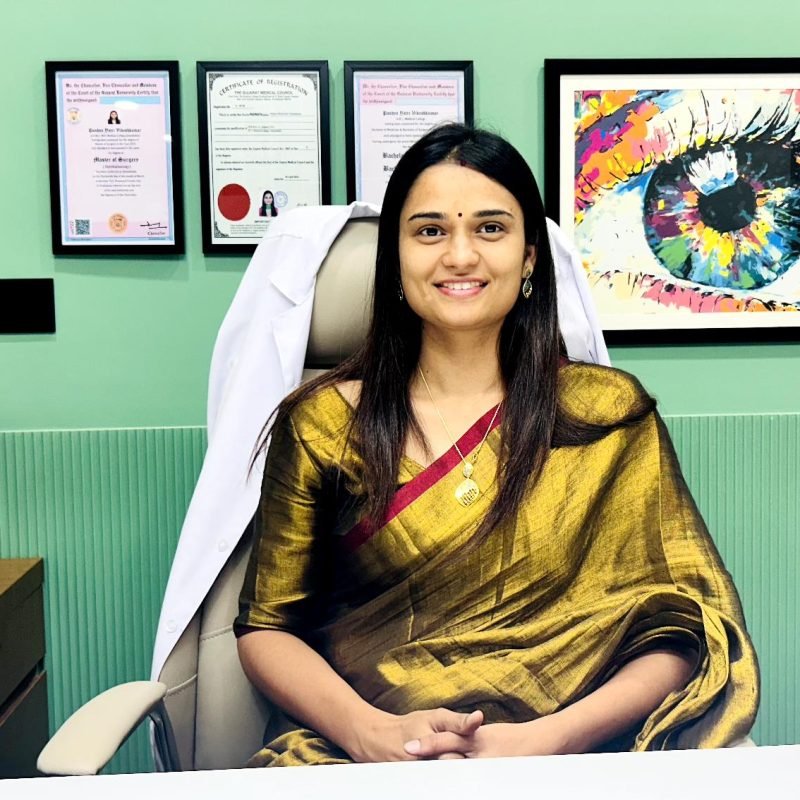
Dr. Yatri Pandya Bhavsar
MS Ophthalmology, FCORS
Professional Experience
Dr. Nagpal’s Retina Foundation (Shahibaug)
- Cornea Consultant (Morning) — 10:00 am to 2:00 pm
Shivyaa Superspecialty Hospital (Gota)
- Cornea Consultant (Evening) — 02:30 pm to 06:30 pm
Dr. Nagpal’s Centre for Cornea, Navrangpura, Ahmedabad
- Ex - Associate Cornea Consultant
GMERS Medical College & Sola Civil Hospital, Ahmedabad
- Ex - Senior Resident
Different Types of Stem Cells Used in Vision Research
Embryonic Stem Cells (ESCs)

Induced Pluripotent Stem Cells (iPSCs)

Adult Stem Cells
Benefits of Eye Stem Cell Treatment
Targeted Repair
The therapy in relation to stem cell targets curing the particular eye structures particularly the cornea. Limbal stem cells have the ability to regenerate the damaged surfaces as well as enhance the results where conventional therapies have minimal effects.
Vision Improvement
The regeneration of vital corneal cells, enhancing the stability, comfort and general visual performance, can confer better vision to select patients with visual impairment by using stem cell processes.
Minimal Reactions
Immuno rejection is reduced using the own stem cells of a patient. These cells behave as normal body cells and minimize side effects as with the foreign medicines.
Faster Healing
Stem cells promote the process of repairing natural tissues and therefore injured ocular surfaces are able to heal better. They facilitate healing of wounds, stabilization of cornea and long-term surface health.
Clinical Progress
Studies indicate that transplantation of limbal stem cell can be successfully used to reconstruct the corneal surface. Investigative clinical trials are still underway in order to develop stem cell therapies in complex and blinding eye diseases.
Your Eye Stem Cell Treatment Journey: What to Expect at Shivyaa Hospital
What Happens During Treatment
The correction with ophthalmic stem cells is performed in fully stipulated steps, starting with remote evaluation to rehabilitation to maintain the safety and appropriate case selection.
- Remote Medical Consultation: You begin with an online consultation where reports are reviewed, questions are addressed, and initial eligibility for stem cell treatment is assessed.
- Preliminary Examinations: Basic eye tests may be done locally, while specialised imaging and laboratory investigations are completed at the clinic to confirm treatment suitability.
- On-Site Preparation: Doctors re-examine results, determine disease severity, and finalise the precise stem cell dose, delivery route, and overall treatment plan.
- Stem Cell Collection & Processing: Cells are collected from bone marrow or cord blood, then processed in the laboratory where they are safely isolated, expanded, and prepared as a sterile suspension.
- Stem Cell Transplant: The prepared suspension is injected using a method suited to the condition, such as retrobulbar, intraocular, intrathecal, orbital, or intravenous delivery.
Post-Treatment Care & Rehabilitation
Recovery focuses on monitoring early responses, protecting the eye, and supporting long-term therapeutic effect through structured follow-up and lifestyle guidance.
- Rehabilitation & Follow-Up: After the procedure, you are observed for the day, with regular checks of vision, eye comfort, and general stability. Before discharge, you receive individual recommendations, follow-up schedules, and home-care instructions designed to maintain and optimise any treatment benefit.
When to Seek Medical Attention for Eye Problems
01
Severe Pain
02
Vision Loss
03
Redness & Swelling
04
Eye Trauma
Flashes & Floaters
Why Choose Shivyaa Hospital for Expert Care?
Advanced Diagnostic Technologies
Personalized Treatment Plans

24/7 Emergency Services