What is Refractive Surgery?


Who is a Good Candidate for Refractive Surgery?
Refractive surgery is advised in cases where vision defects are due to correctable refractive errors and is only done in cases where eye health is stable in the course of examination. You can be eligible for this procedure provided that you have:
- Age & Stability Requirements: You are at least 18 years old (ideally 21+), with a stable eyeglass or contact lens prescription for a minimum of one year.
- Corneal Health: Healthy corneas with normal thickness and no progressive disorders, including keratoconus.
- Absence of High-Risk Eye Conditions: You do not have uncontrolled glaucoma, severe dry eye disease, active infections, or other conditions that reduce surgical safety.
- Pregnancy & Hormonal Factors: You are not pregnant or nursing, as hormonal changes can temporarily affect vision stability.
- Expectation Alignment: You understand the benefits and limitations of refractive correction and have realistic expectations regarding outcomes.
- General Eligibility: Suitable for medically fit individuals after a detailed refractive workup, topography analysis, and counselling with an eye specialist.
Dr. Yatri Pandya Bhavsar
MS Ophthalmology, FCORS
Professional Experience
Dr. Nagpal’s Retina Foundation (Shahibaug)
- Cornea Consultant (Morning) — 10:00 am to 2:00 pm
Shivyaa Superspecialty Hospital (Gota)
- Cornea Consultant (Evening) — 02:30 pm to 06:30 pm
Dr. Nagpal’s Centre for Cornea, Navrangpura, Ahmedabad
- Ex - Associate Cornea Consultant
GMERS Medical College & Sola Civil Hospital, Ahmedabad
- Ex - Senior Resident
Different Types of Refractive Eye Surgery
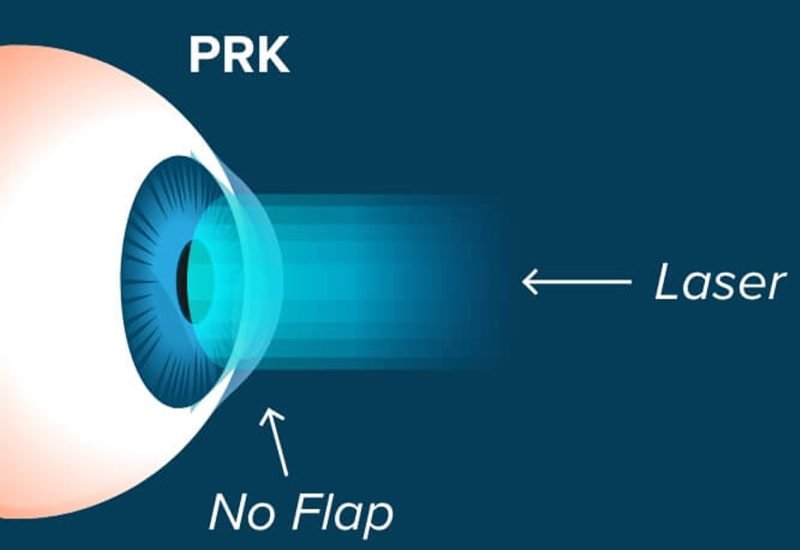
PRK (Photorefractive Keratectomy)
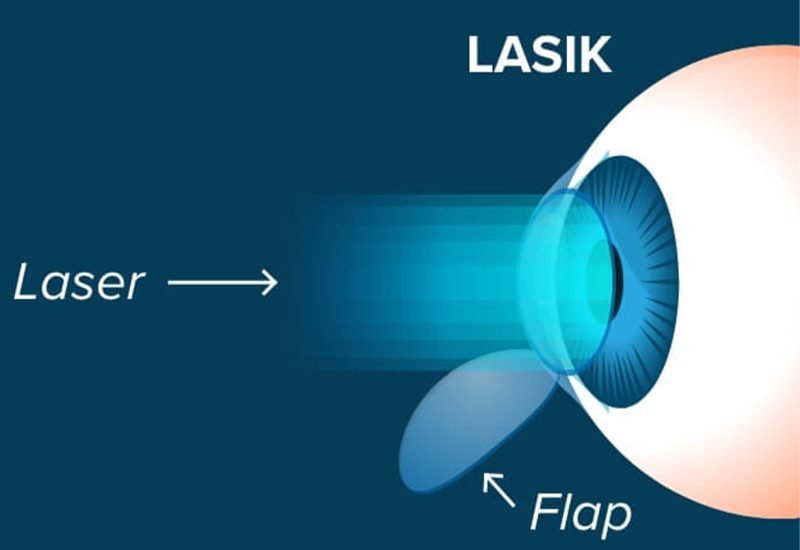
LASIK (Laser-Assisted In Situ Keratomileusis)
Refractive Lenticule Extraction (SMILE / FLEX)

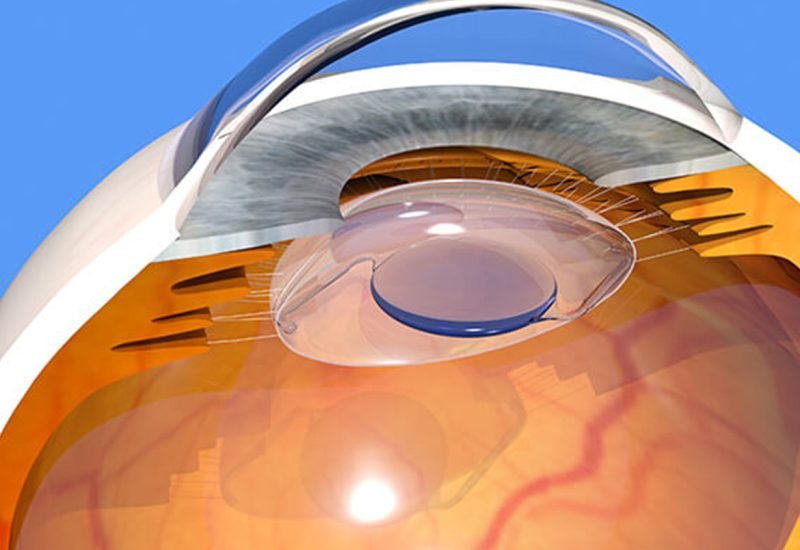
Implantable Collamer Lens (ICL)
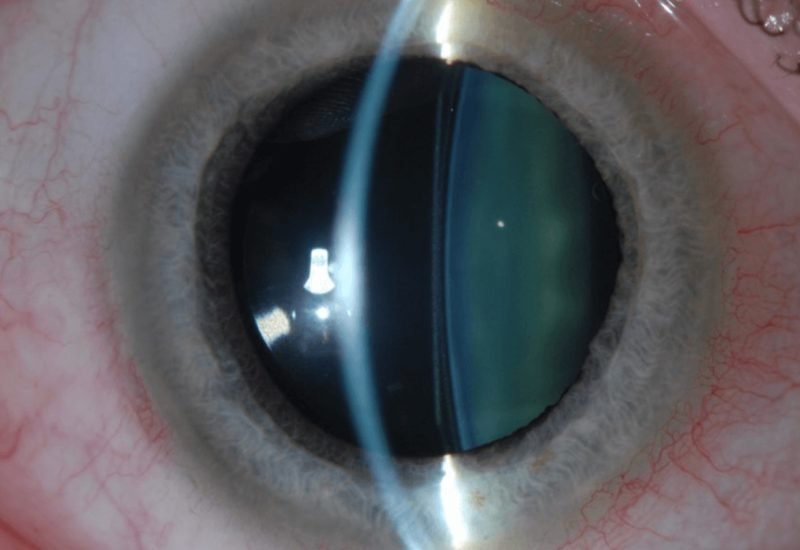
Refractive Lens Exchange (RLE)
Benefits of Refractive Surgery
Lasting Vision Correction
The refractive surgery is used to permanently correct the refractive error by modifying the cornea or substituting the lens of the eye. As soon as the eye becomes stable, majority of the patients can obtain long-term clarity without the swings that are normally characterized with glasses or contact lenses.
Better Visual Independence
Patients feel more convenient in their day-to-day lives by allowing them to have reduced or no need to use spectacles or contact lenses. Driving, sporting activities, screen work, and outdoor activities are easier with better natural vision performance.
High Success Rates
The current laser platforms and sophisticated diagnostics have greatly enhanced accuracy and results. The majority of patients with eligibility attain clear and stable eyesight in days, with very little pain, and the outcome is predictable in most types of refractive errors.
Customized Treatment Options
Current technologies allow highly personalized correction based on corneal shape, prescription stability, lifestyle needs, and ocular health. Whether through LASIK, PRK, SMILE, or lens-based procedures, patients receive tailored solutions suited to their visual profile.
Your Refractive Surgery Journey: What to Expect at Shivyaa Hospital
What Happens During the Procedure
The surgery is carried out in a systematic outpatient procedure that starts with pre-surgery planning and finishes with the follow-up recovery to enhance the safety, accuracy, and optimum visualization.
- Pre-Surgery Guidance: You’ll stop wearing contact lenses and avoid eye makeup or fragrances to ensure accurate measurements and reduce irritation before surgery.
- Baseline Examination: Full tests such as measuring corneal thickness, shape, tear film, and retinal health are performed to confirm eligibility and determine the safest refractive method.
- Surgical Day Preparation: Your surgeon reviews measurements, explains the procedure, and prepares your eyes with anesthetic drops before beginning the corrective treatment.
- Laser Correction / Lens Procedure: The laser correction or lens procedure is completed within minutes, reshaping the cornea or placing a lens to provide the desired refractive power.
Post-Surgery Care & Recovery
The management of recovery aims at preserving the healing eye, managing the inflammation and ensuring the smooth visual stabilisation with the help of organised follow-ups.
- Immediate Aftercare: You may experience mild irritation or watering; protective shields are applied, and someone must drive you home after the procedure.
- Early Follow-Up: Within 24–48 hours, your doctor reviews healing progress and prescribes drops to prevent infection, dryness, and inflammation.
- Ongoing Monitoring: Scheduled visits over the following months track visual stability, manage dryness, and ensure safe long-term recovery with clear postoperative vision.
When to Seek Medical Attention for Eye Problems
01
Severe Pain
02
Vision Loss
03
Redness & Swelling
04
Eye Trauma
Flashes & Floaters
Why Choose Shivyaa Hospital for Expert Care?
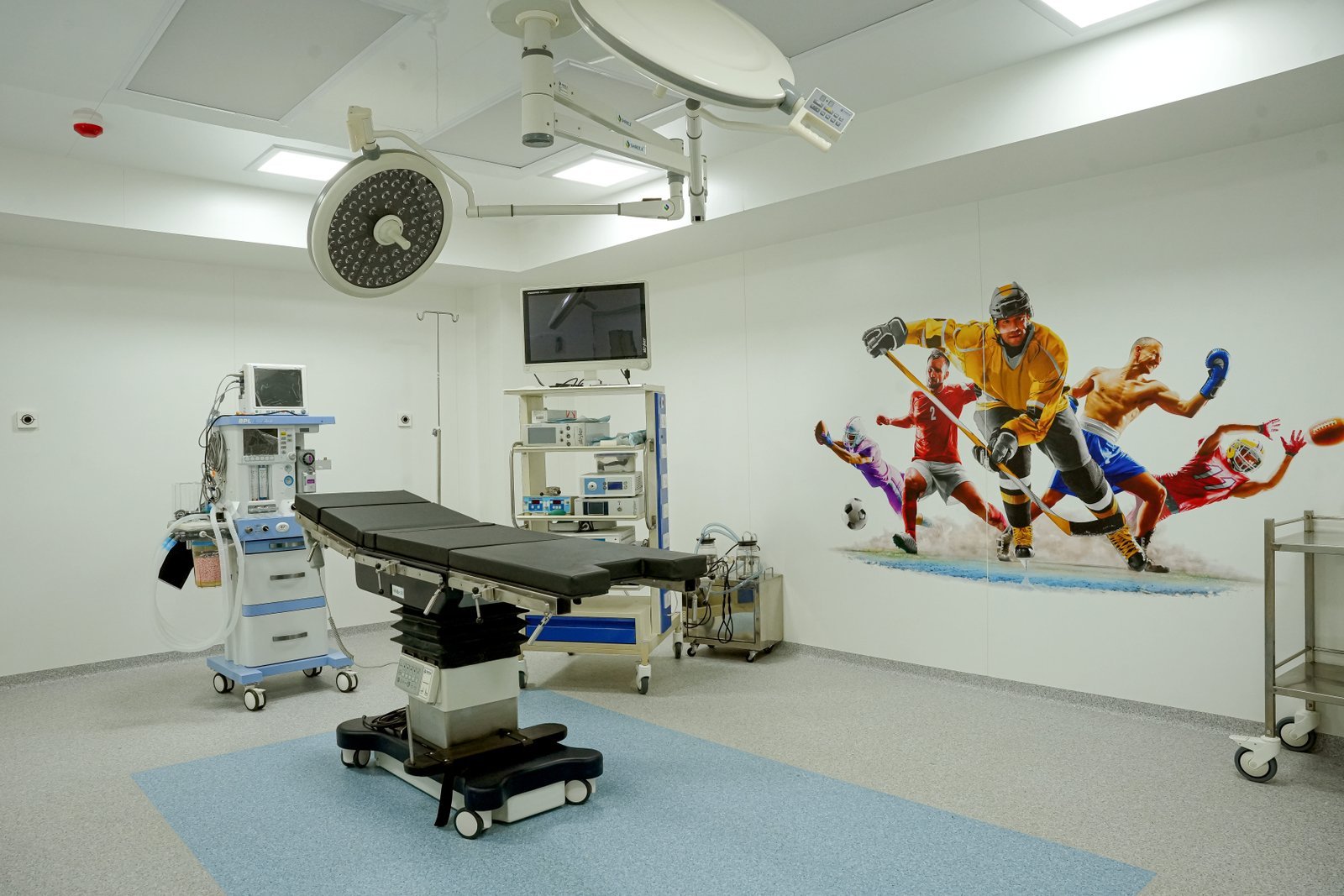
Advanced Diagnostic Technologies
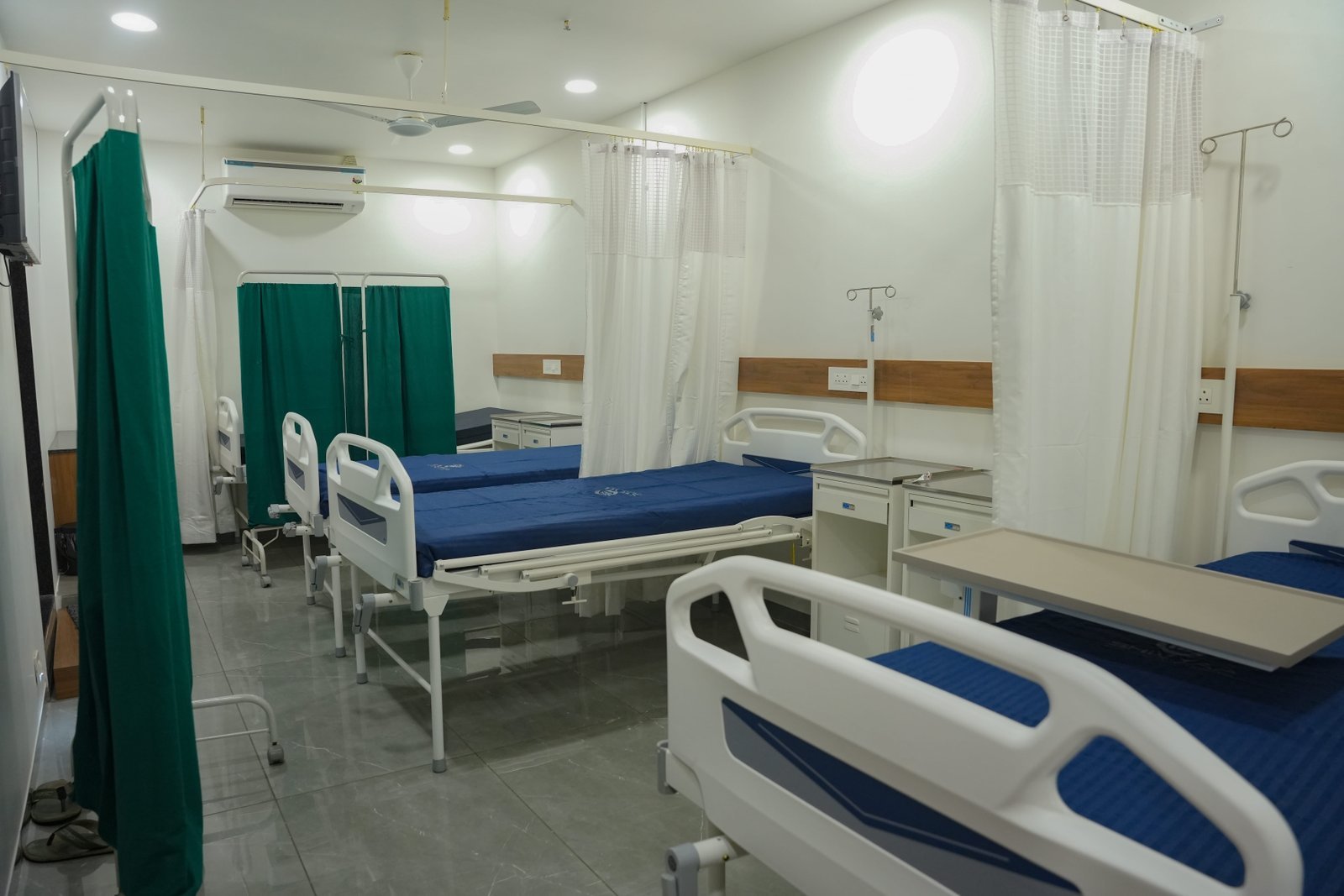
Personalized Treatment Plans

24/7 Emergency Services