
What Is Emergency and Trauma Care?


Common Situations That Require Emergency and Trauma Care
The situation when a patient has sudden, severe, or life-threatening conditions, which require urgent medical attention, makes emergency and trauma care necessary. In case of an emergency, you might need any of the following:
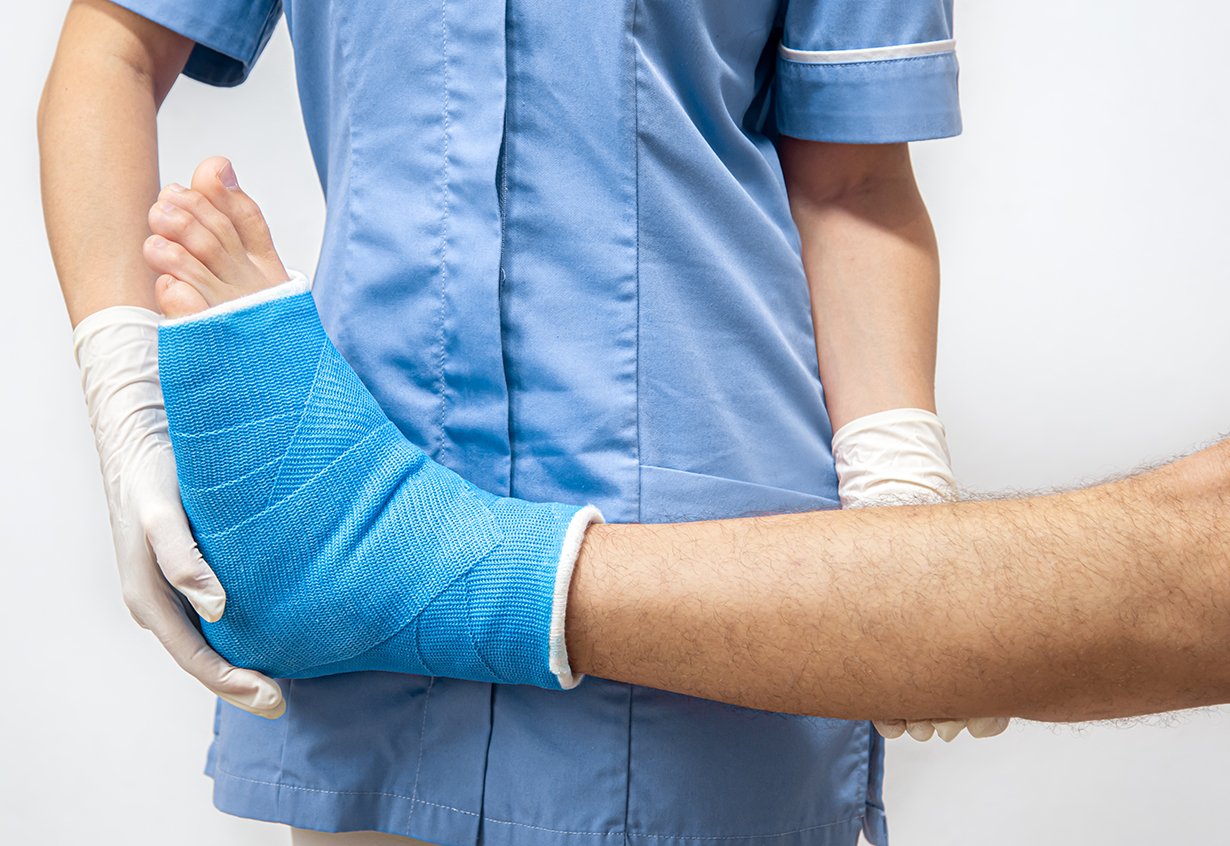
- Accident & Injury-Related Emergencies: Road accidents, falls, electrocution, large cuts, and multiple fractures that require immediate stabilization to prevent bleeding, shock, internal injury, and long-term disability.
- Cardiac & Neurological Crises: Heart attacks, strokes, sudden collapse, or altered consciousness needing rapid medical action to restore circulation, protect the brain, and prevent life-threatening complications.
- Respiratory & Breathing Difficulties: Severe breathlessness, choking, asthma attacks, or airway obstruction that require urgent support to maintain oxygen levels and prevent respiratory failure.
- Infection, Poisoning & Toxic Reactions: Toxic shock, venomous bites or stings, poisoning, or exposure to harmful substances requiring quick detoxification, symptom control, and continuous monitoring.
- Pregnancy & Sensitive Medical Emergencies: Miscarriage, heavy bleeding, severe abdominal pain, or acute instability needing urgent evaluation to safeguard the patient’s health and prevent complications.
Dr. Parth Bhavsar
MS Orthopedics, FIAAS, FIHPAS
10+ years of excellence in Orthopedic care, combining experience with advanced surgical techniques to deliver trusted outcomes.
Specialist in Arthroscopy (Keyhole Surgery), Joint Replacement, and Sports Injury Management. Widely recognized for his precision, compassionate approach, and expertise in complex trauma treatment.
Professional Experience
Geetanjali Medical College & Hospital, Udaipur
- Ex - Senior Resident
- Ex - Assistant Professor
GMERS & Sola Civil Hospital, Ahmedabad
- Ex - Senior Resident
- Ex - Assistant Professor
Shalby Hospital, Ahmedabad
- Ex - Consultant – Orthopaedic, Arthroscopy & Joint Replacement Specialist

Types of Trauma Surgery
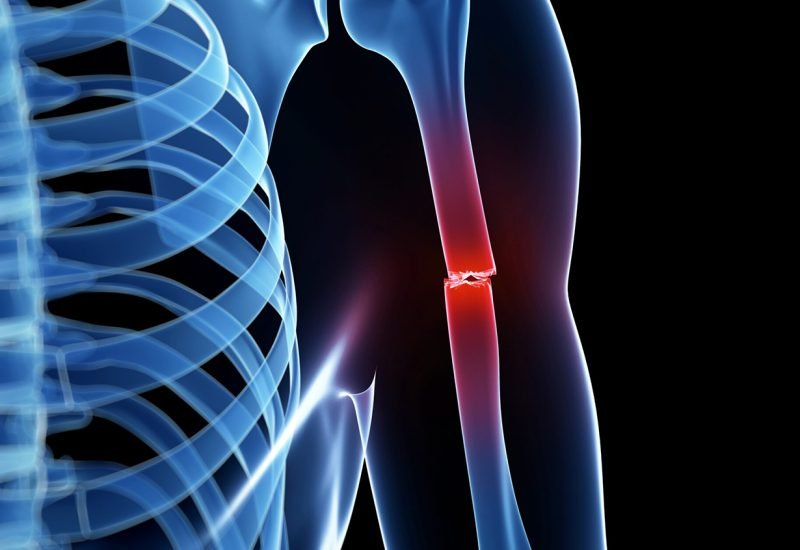
Orthopedic Trauma Surgery
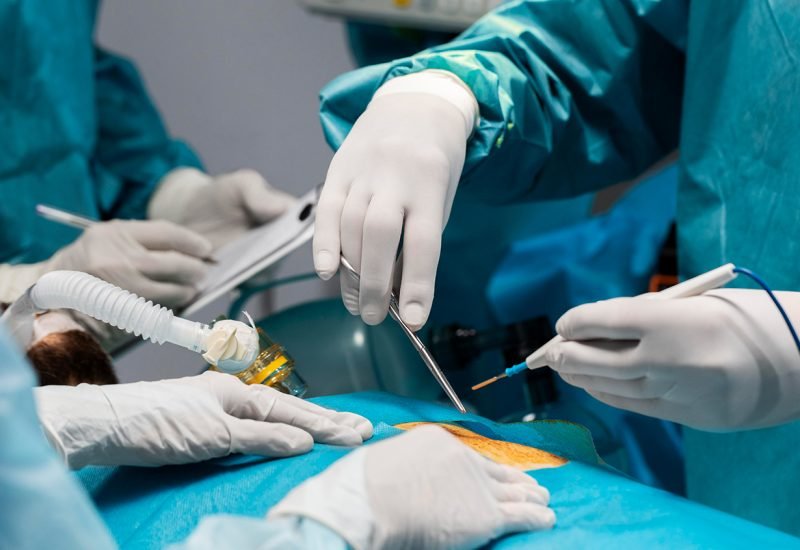
Abdominal Trauma Surgery
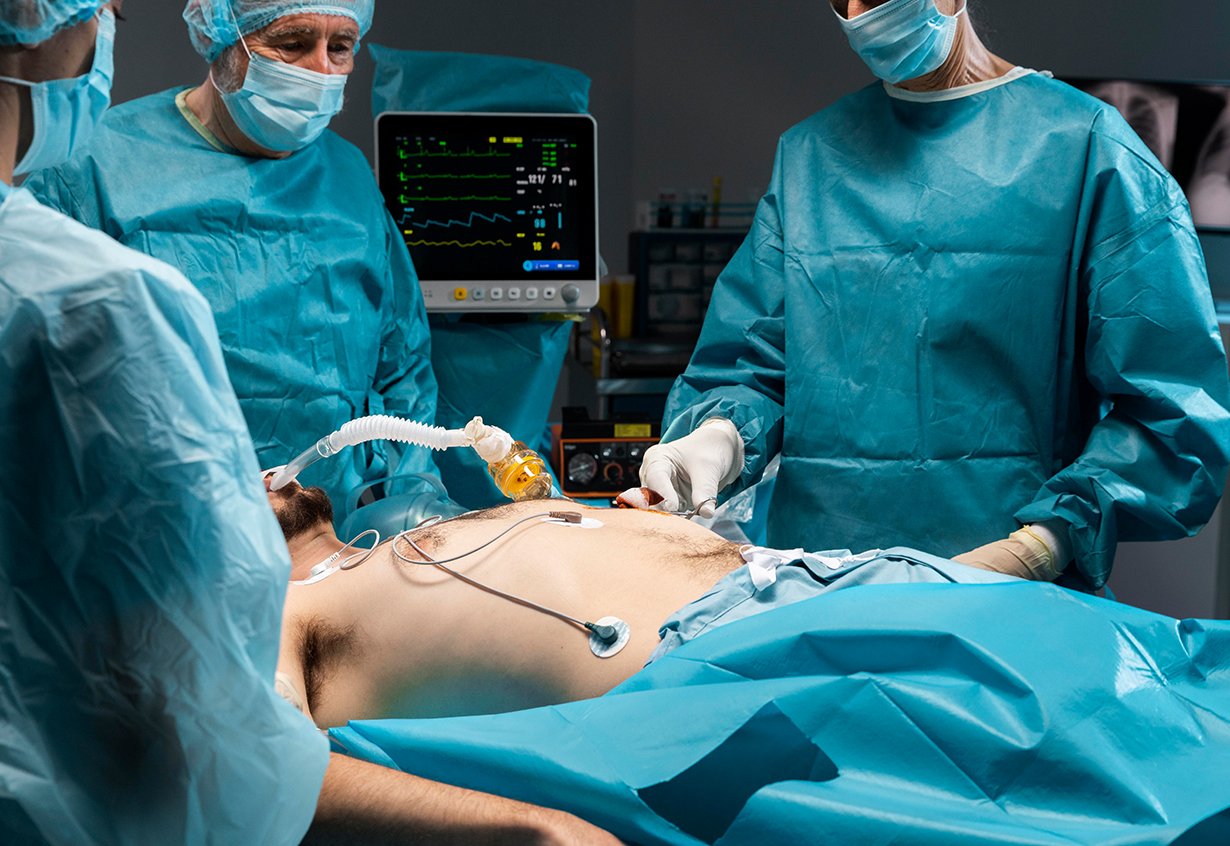
Chest Trauma Surgery
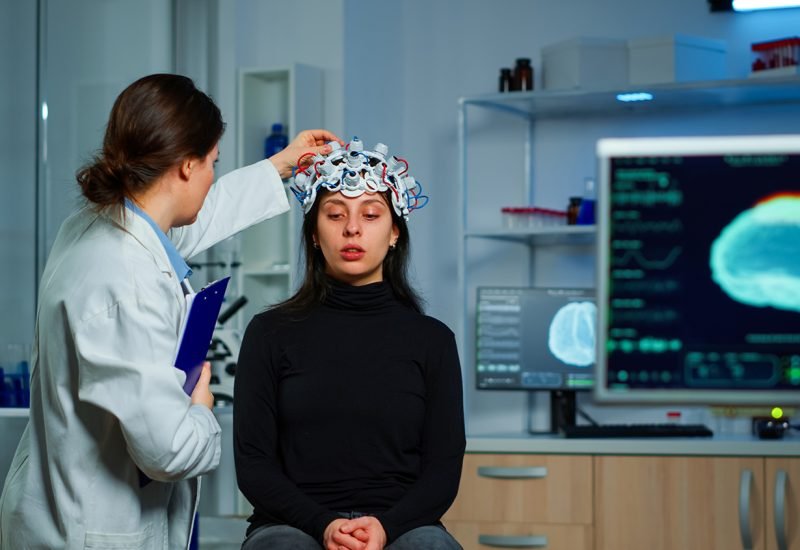
Neurosurgery for Trauma
Soft Tissue Trauma Surgery
Benefits of Dedicated Emergency Care Facilities
Round-the-Clock Life-Saving Care
There are emergency units that are open 24/7, which are equipped with professional clinicians to provide urgent care to cases of trauma, cardio events, stroke, and other severe illnesses. The availability is constant, and this is a significant improvement in terms of survival and delays in treatment in the case of medical emergencies.
Specialised Staff & Advanced Equipment
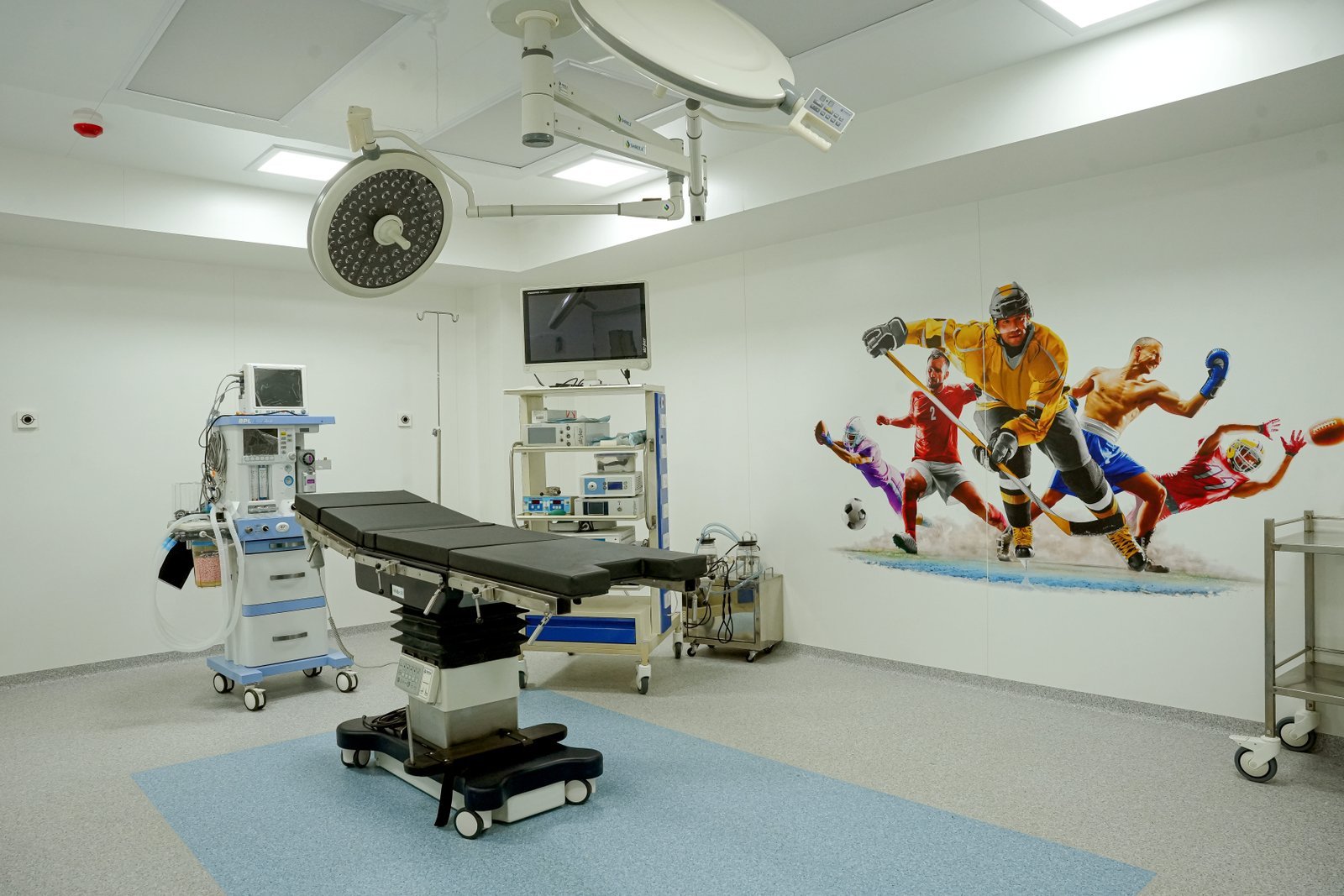
Trauma-trained doctors, nurses, and technicians are assigned to the emergency departments with quick diagnostic equipment, ventilators, cardiac monitors, and resuscitation gear. This is a specialized arrangement that makes effective decision-making and focused treatment in emergency cases.
Faster Response Through Coordinated Systems
Patients can be stabilized by providing a well-organized workflow, efficient triage, and tight collaboration between emergency, ICU, and surgical teams. The combination of the two prevents complications and enhances the short-term and long-term results.
Seamless Integration With Critical Care Units
There is an integration of the emergency department with intensive care, radiology, and operating rooms, which allows emergency transfer when required. Such connectivity guarantees continuous care to patients who need surgery, ventilation, or high-tech observation.
Your Trauma Treatment Journey: What to Expect at Shivyaa Hospital
What Happens During Emergency Management
The management of traumatic care is systematic and time-sensitive, and it involves stabilization and proceeds to diagnosis and therapy to achieve the utmost safety and recovery.
- Airway Assessment: The team checks for any obstruction that may block breathing and secures the airway immediately if needed, often using an endotracheal tube.
- Breathing Evaluation: Clinicians assess chest movement, oxygen levels, and lung sounds to rule out complications such as pneumothorax and ensure assisted breathing devices are correctly positioned.
- Circulation Control: External bleeding is controlled immediately, while internal bleeding or shock is evaluated through vital signs, focused imaging, and rapid fluid or blood replacement.
- Disability Check: Neurological status is assessed to identify brain or spinal cord injury and changes in consciousness, guiding urgent stabilization and further imaging.
- Exposure & Full Examination: Clothing is removed to allow a complete head-to-toe examination, ensuring no injuries, wounds, or burns are missed during the initial assessment.
Recovery and Rehabilitation
Recovery after trauma surgery varies based on the severity of injury and may take weeks to months. Physical therapy, structured follow-up visits, and guided home care are essential for safe healing. Shivyaa Superspeciality Hospital supports recovery through an in-house physiotherapy team focused on restoring strength, mobility, and daily function.
When to Seek Immediate Medical Care for Orthopedic Problems
01
Deformity or Abnormal Bone Mobility
02
Severe Joint Pain
03
Loss of Function
04
Neurological Symptoms
Road traffic accident or sports injury
Why Choose Shivyaa Hospital for Expert Care?
Advanced Diagnostic Technologies
Personalized Treatment Plans

24/7 Emergency Services